Understanding 5-Axis CNC Mills — A Complete Guide to Advanced Milling
In today’s precision manufacturing and machining environment, flexibility, speed, and accuracy are more critical than ever.
A 5-axis CNC mill is a transformative tool that allows machining complex components with exceptional precision. By moving the cutting tool or workpiece along five independent axes, it enables production of multi-sided, intricate parts for industries like metal fabrication, mold making, aerospace, automotive, and custom manufacturing. This guide explains what a 5-axis CNC mill is, how it functions, its advantages, and why it is an essential asset for modern workshops.
Table of Contents
What Is a 5-Axis CNC Mill?
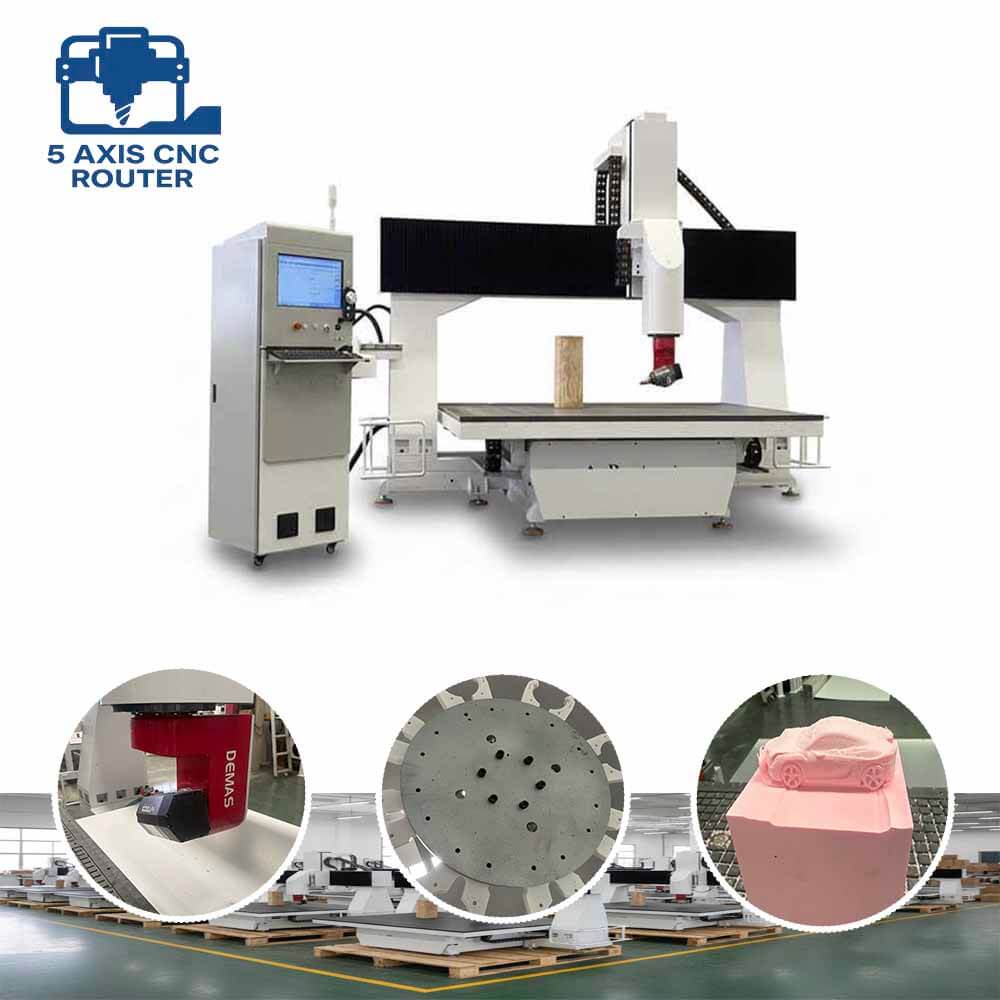
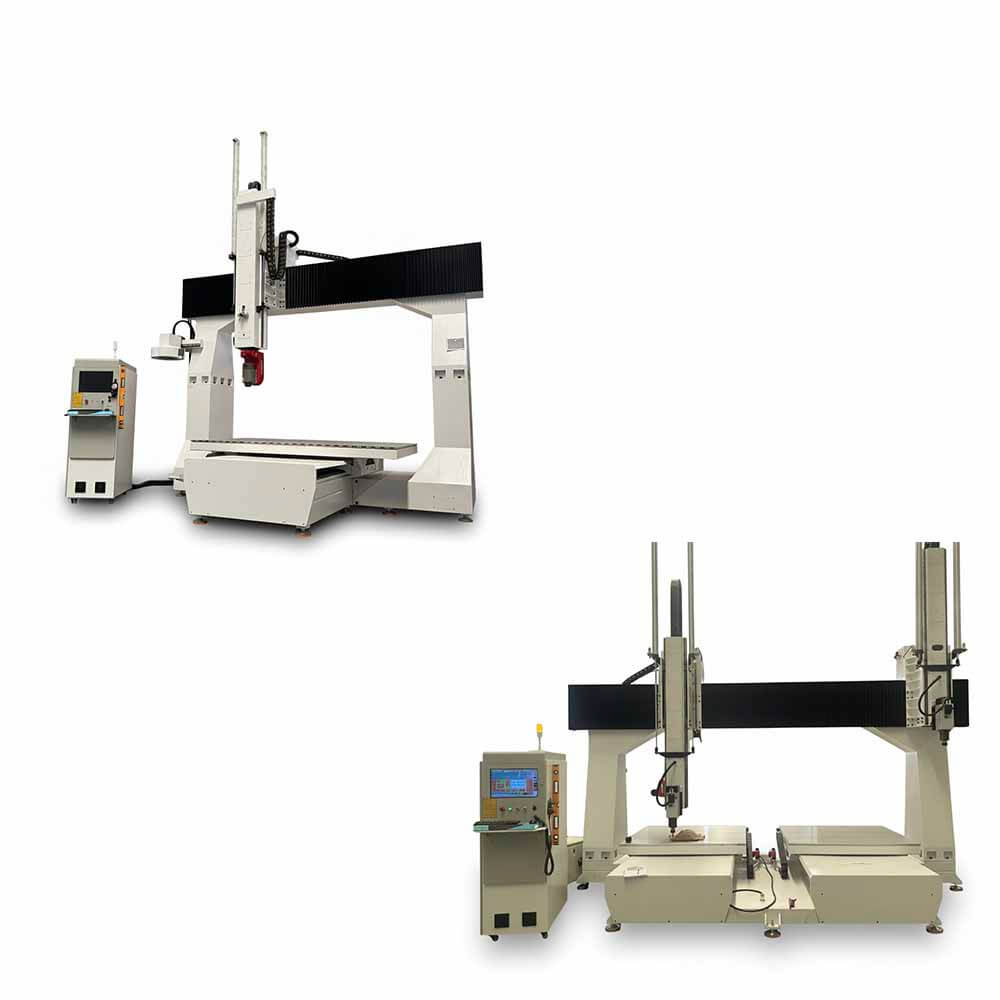
A 5-axis CNC milling machine is a machine tool that operates along five directions of motion. In addition to the standard X, Y, and Z linear movements, it incorporates two rotational or tilting axes. This configuration allows the cutting tool to approach the workpiece from nearly any angle, making it possible to create complex shapes, curved surfaces, undercuts, and multi-faced components in a single setup.
Various machine configurations exist, including tilting rotary tables, gimbal-style heads, and universal mills, each offering different working volumes, motion ranges, and capabilities depending on part size and complexity.
How 5-Axis Milling Works
The typical workflow for 5-axis milling includes:
- Machine Selection & Setup: Choose the appropriate 5-axis mill or rotary table configuration based on workpiece size and complexity.
- Tool Selection: Use the correct cutting tools and holders, considering spindle speed, tool length, and balance to ensure accuracy and surface finish.
- Workpiece Fixturing: Secure the material firmly, allowing enough clearance for all rotational and tilting movements.
- Programming & Toolpath Generation: CAM software generates optimized toolpaths that synchronize linear and rotational axes for multi-directional cutting.
- Machining & Finishing: The machine executes the toolpath with simultaneous 5-axis motion, producing high-precision parts often requiring minimal post-processing.
Advanced 5-axis mills may also include dynamic work offsets or tool center point control, which allows flexibility in workholding and part placement, minimizing the need for reprogramming.
Advantages of 5-Axis CNC Milling
Using a 5-axis mill provides numerous benefits over traditional 3-axis machines:
- Reduced Setup Time: Multi-sided components can often be completed in a single operation, reducing time and risk of error.
- Complex Geometry Capabilities: Create curved surfaces, angled cuts, undercuts, and intricate contours that are impossible on simpler machines.
- Higher Productivity: Fewer setups and continuous machining increase throughput and efficiency.
- Superior Accuracy and Consistency: Eliminates repeated alignment, ensuring consistent tolerances and surface quality across parts.
- Material and Part Flexibility: Machine a wide range of materials, from metals and composites to plastics and specialty alloys.
5-axis milling is ideal for shops producing molds, die components, aerospace parts, automotive parts, and custom prototypes.
Considerations Before Investing in a 5-Axis Mill
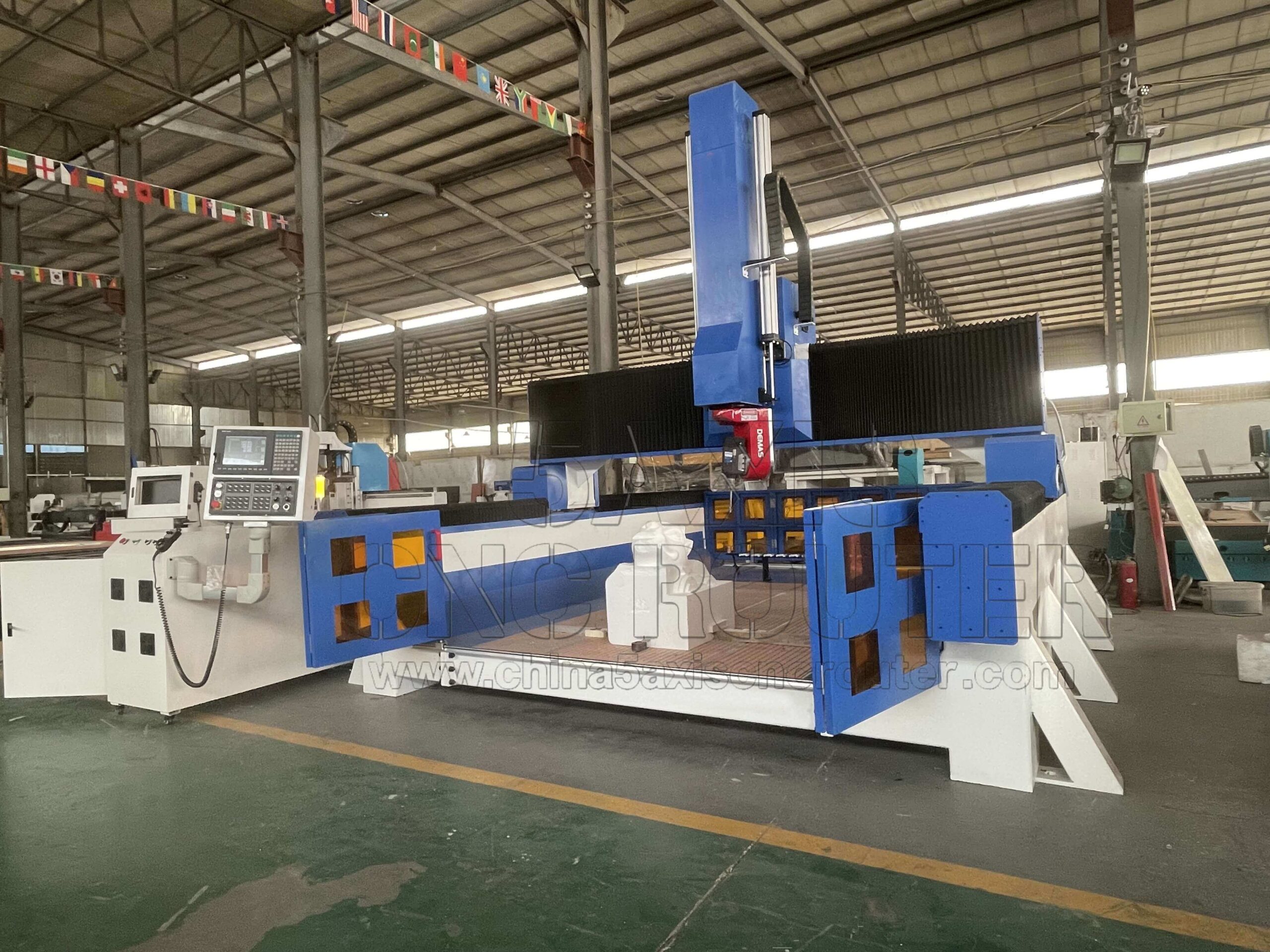
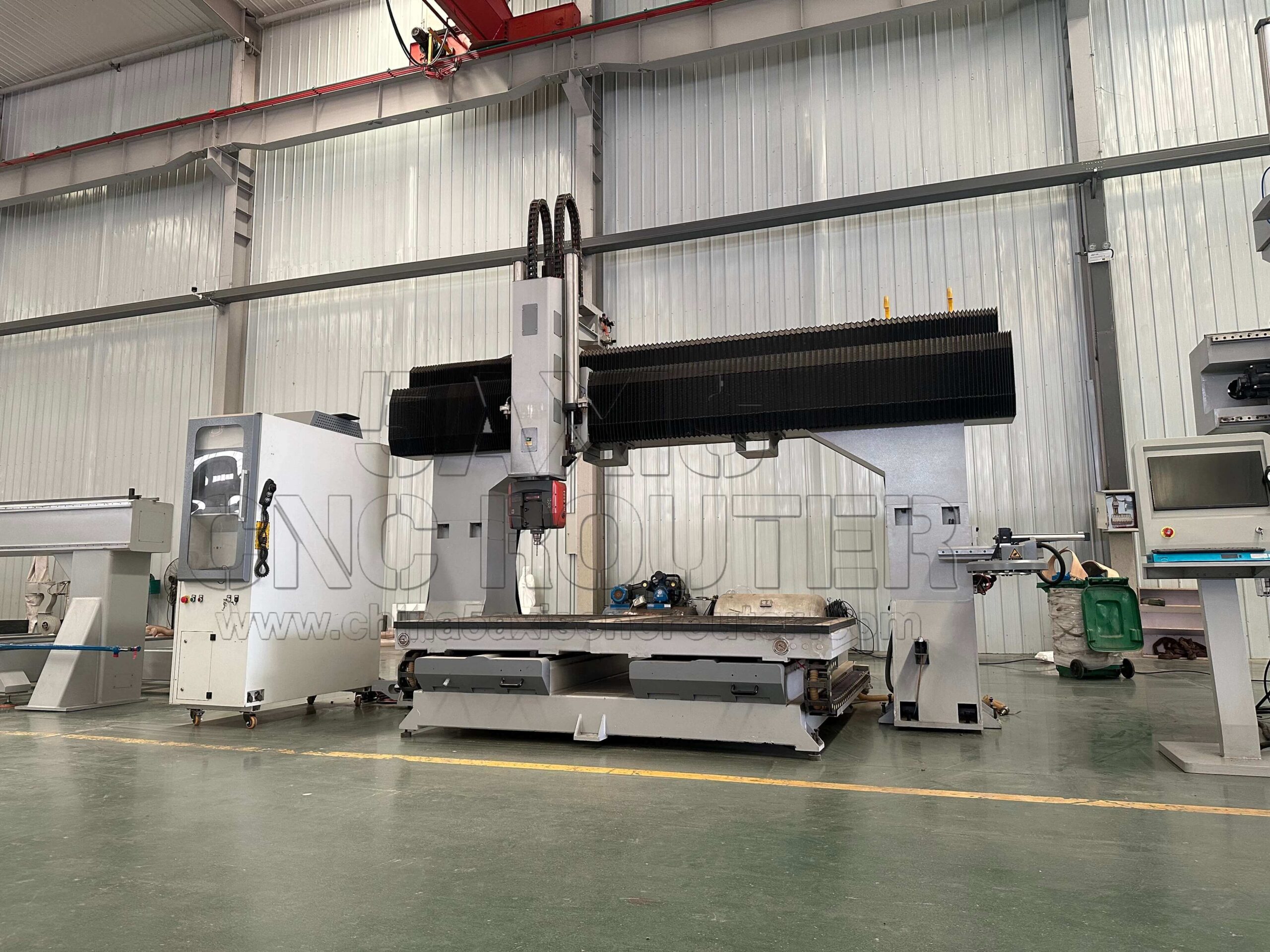
- Machine Size and Type: Small vertical mills may suit compact parts, while large-frame or gantry mills are needed for bigger components.
- Tooling and Workholding: Short, balanced tools and properly secured workpieces are essential for safe and accurate machining.
- Advanced Programming Required: Efficient 5-axis toolpaths require skilled CAM programming.
- Investment Cost: 5-axis mills are more expensive than 3-axis machines, but savings in time, fixtures, and labor often justify the cost.
Recommended Applications
- Aerospace and defense components with multi-sided or curved features.
- Mold and die making requiring complex 3D surfaces.
- Automotive and transportation components with intricate geometries.
- Custom prototypes and small-batch production where flexibility and precision are critical.
- Workshops aiming to improve efficiency, reduce fixture count, and handle complex parts.
Conclusion
A 5-axis CNC mill transforms machining by combining accuracy, flexibility, and efficiency. It allows manufacturers to produce complex, multi-faced parts in fewer setups with higher precision and minimal finishing. Whether in metal fabrication, aerospace, automotive, mold making, or custom parts production, integrating a 5-axis milling machine significantly boosts productivity, part quality, and manufacturing capability. For modern workshops aiming to handle intricate designs and high-precision work, a 5-axis CNC mill is an invaluable investment.
Products Categories
Recently News


Why Choose Us
1.Experienced CNC manufacturer.
2.Strong R&D and innovation.
3.High-quality machine components.
4.Custom solutions available.
5.Strict quality control.
6.Fast production and delivery.
7.Professional technical support.
8.Competitive factory pricing.
9.Trusted by global customers.
10.One-stop CNC solutions.
Contact Us
- Wechat: ExtraCNC
- Whatsapp/Moblie:0086 15562628072
- Email: [email protected]
 EN
EN  AR
AR  EO
EO  IT
IT  DE
DE  KO
KO  JA
JA  RU
RU  AZ
AZ  BG
BG  CS
CS  DA
DA  EL
EL  ES
ES  FR
FR  ID
ID  LV
LV  NL
NL  ML
ML  PT
PT  TT
TT  SL
SL  TH
TH  UZ
UZ  UK
UK  SV
SV  TR
TR