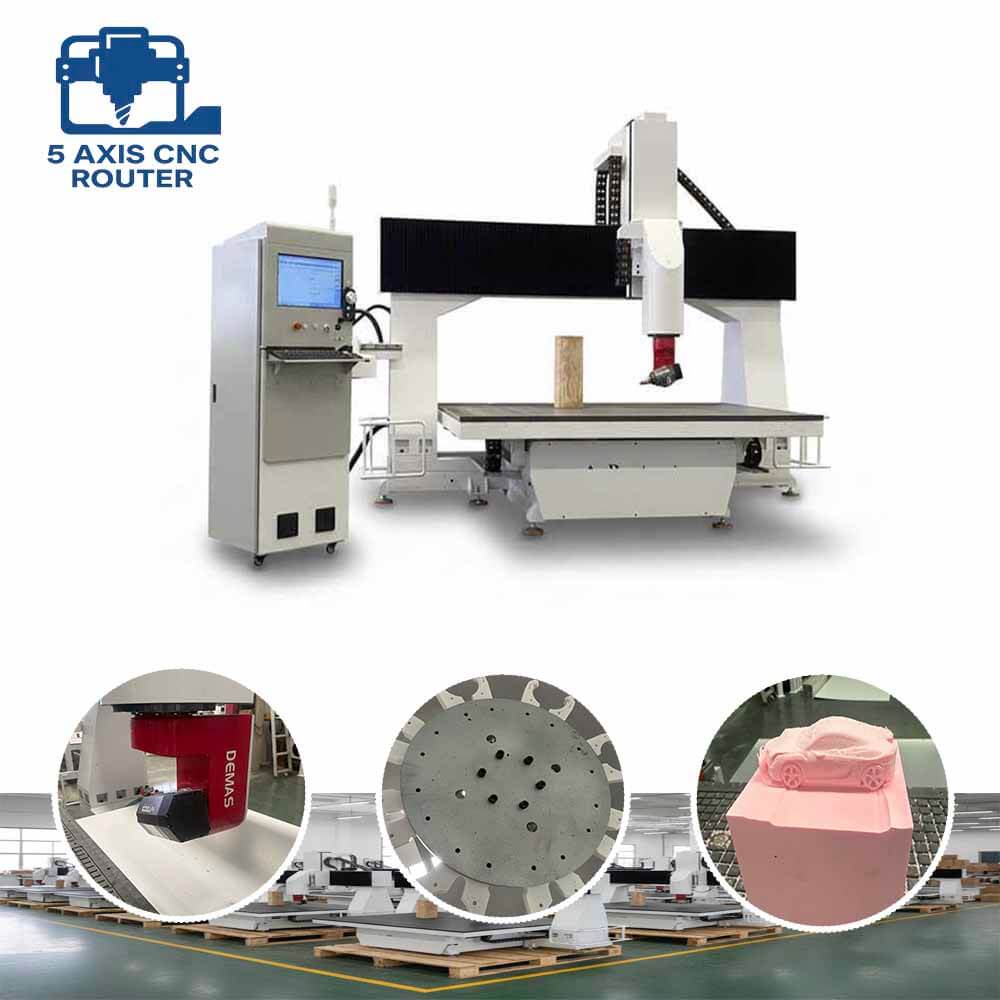
5 Axis CNC Router Machine for Wood MDF Aluminum 3D Engraving High Precision Automatic CNC Wood Router
In the modern woodworking and metalworking industry, efficiency, precision, and versatility are essential.

Discover how 5 axis CNC router machines are transforming modern manufacturing with unmatched precision and flexibility. In this blog, we explore the core technology behind 5-axis machining, why it matters for complex 3D production, and how businesses can benefit from full-angle cutting, faster workflows, and superior accuracy. Whether you work in woodworking, aerospace, mold making, automotive prototyping, or large-scale sculpture carving, this guide helps you understand how a 5 axis CNC router can dramatically improve efficiency and product quality. From machine structure and performance tips to real-world applications and buyer recommendations, this blog delivers practical insights for manufacturers looking to upgrade their production capabilities.
In the modern woodworking and metalworking industry, efficiency, precision, and versatility are essential.
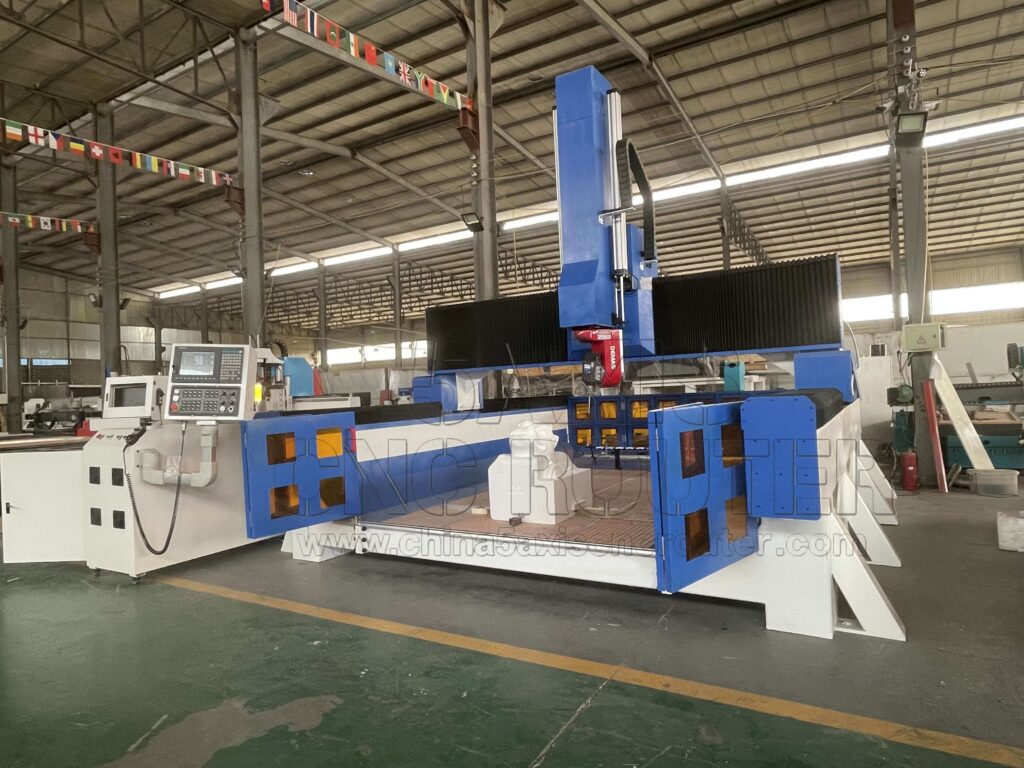
Why Fixturing Is Harder in 5 Axis Than in 3 Axis
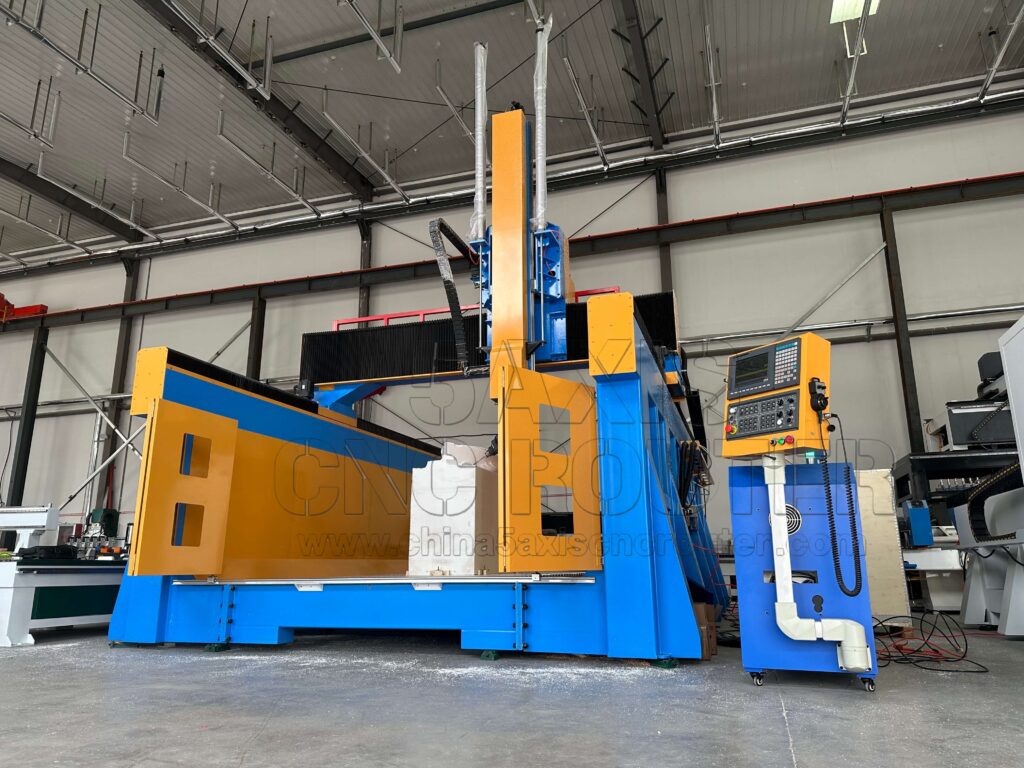
Why Many 5 Axis Projects Fail Before Cutting Starts
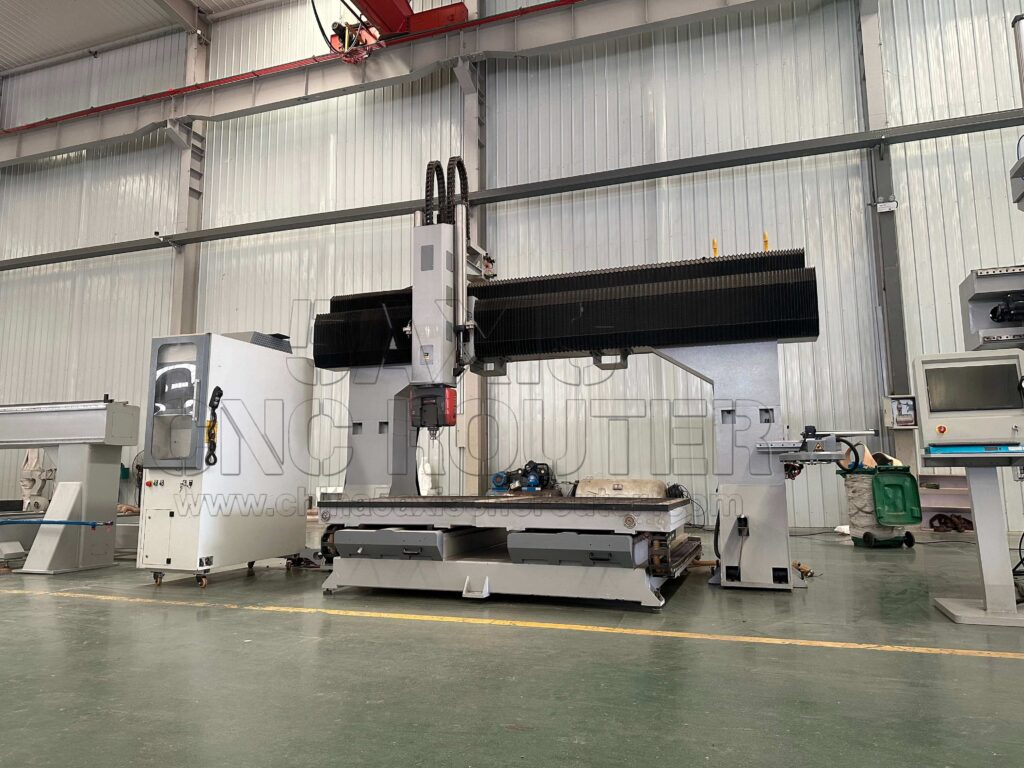
The Real Question Behind Every Purchase
Why Application Clarity Matters More Than Machine Specs
Why These Two Machines Are Often Confused
Why “Accuracy” Is the Most Misunderstood Part of 5 Axis CNC Routers
This article is written for engineers, production managers, and workshop owners who need to make a rational equipment decision—not a marketing-driven one.

After understanding what a true 5 axis CNC router is and acknowledging its disadvantages, the remaining question for most manufacturers is straightforward but difficult:
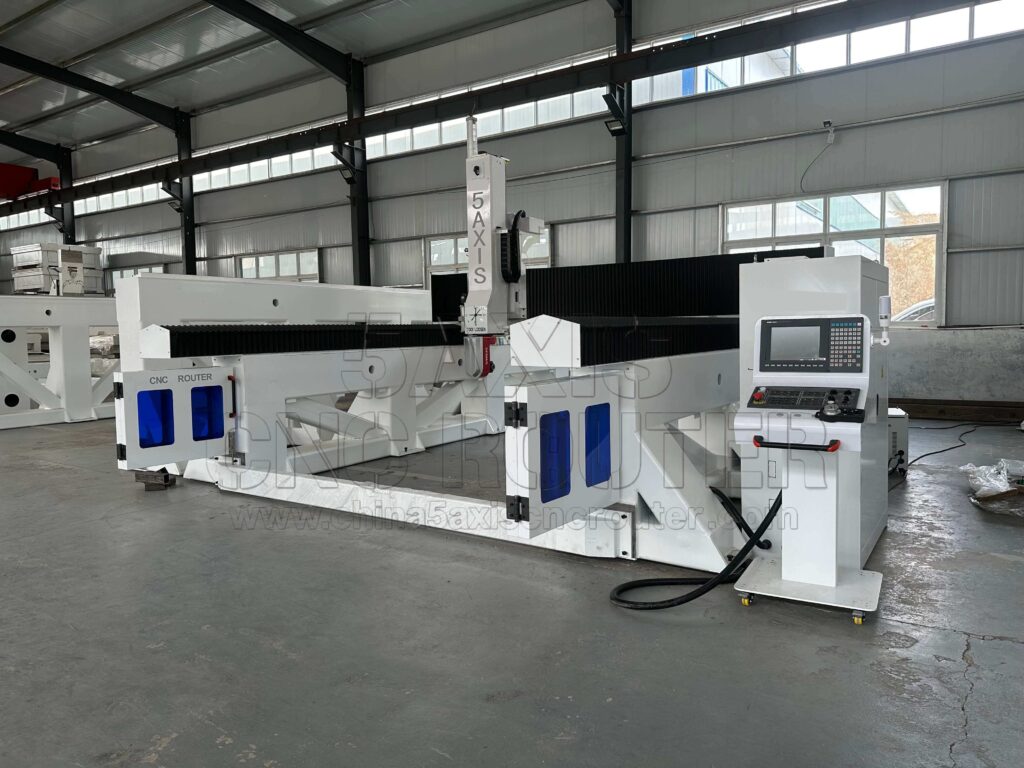
5 axis CNC routers are often presented as the ultimate solution for complex machining, but in real manufacturing environments they come with non‑trivial disadvantages. These limitations are rarely discussed openly, yet they play a decisive role in whether a 5 axis investment succeeds or fails.
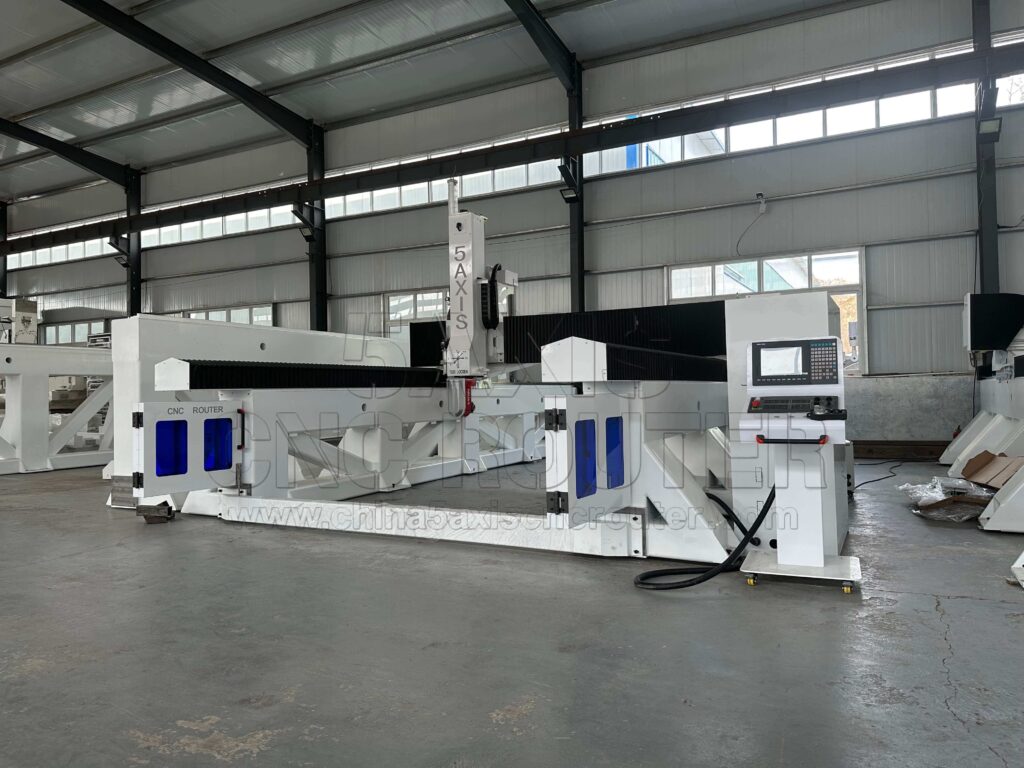
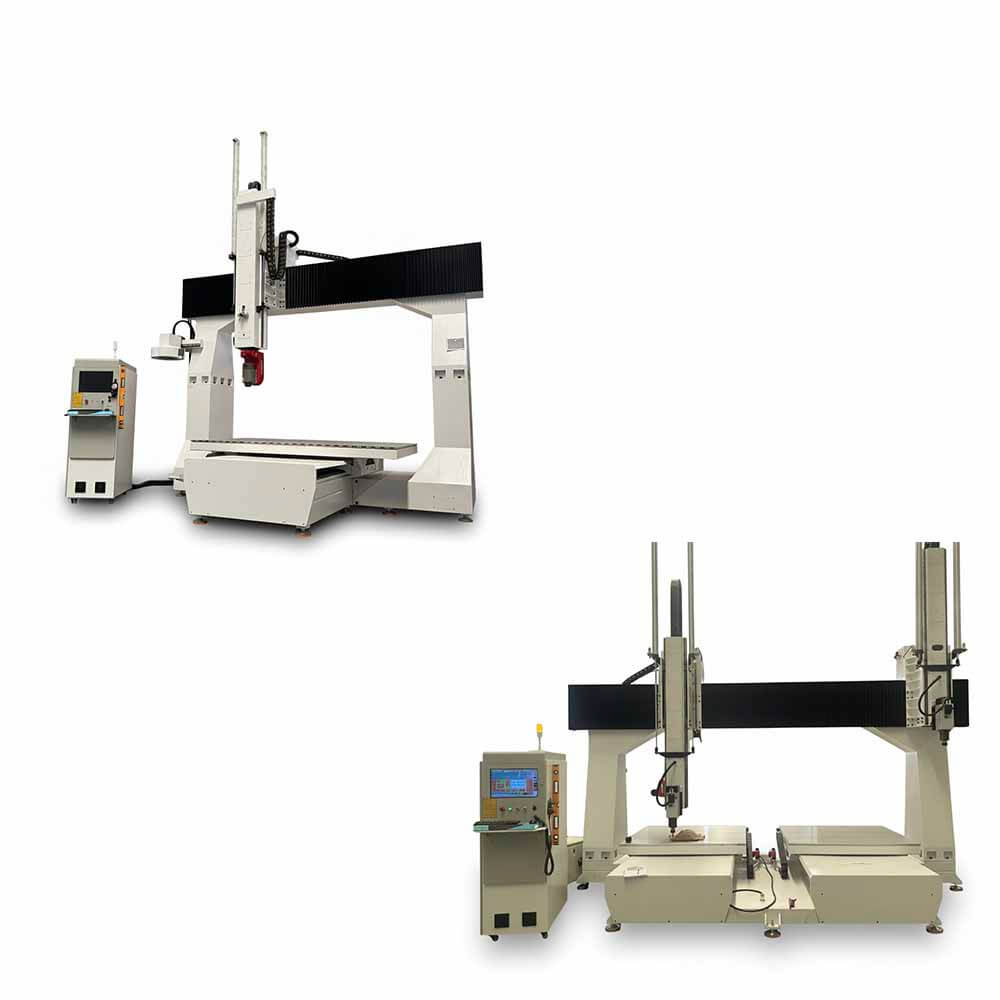
The term “5 axis CNC router” is widely used, but not always accurately. In many cases, machines marketed as 5 axis systems are actually 3+2 axis configurations, which behave very differently in real production.
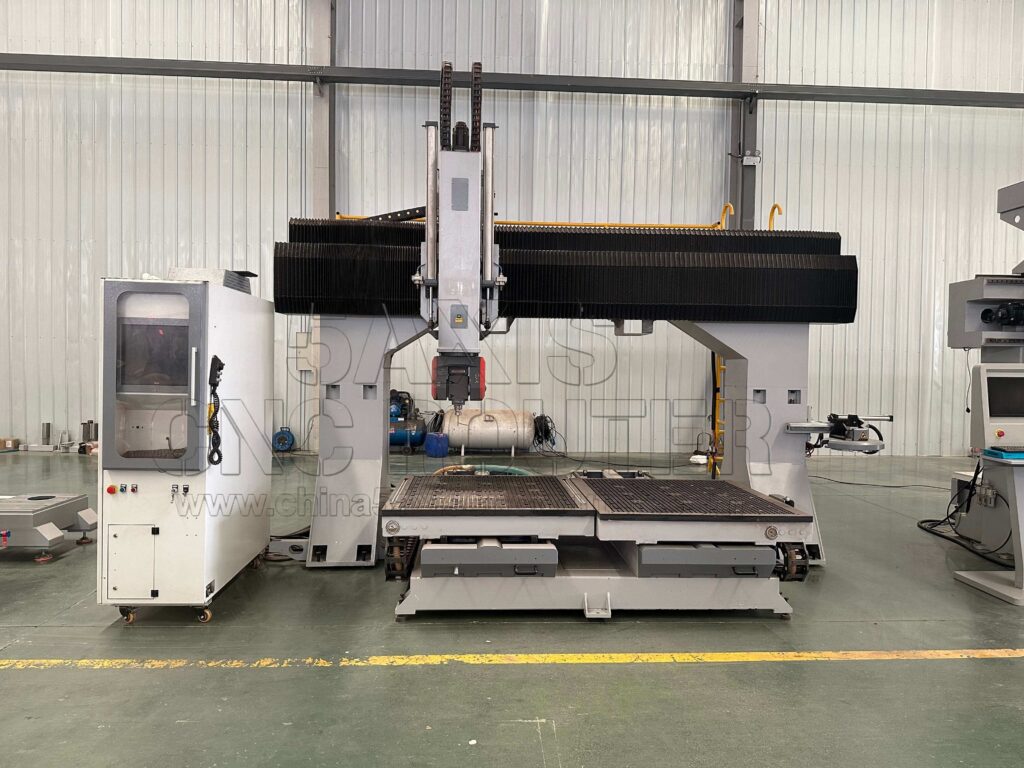
When manufacturers begin comparing 3 axis, 4 axis, and 5 axis CNC routers, the discussion often becomes simplified into a question of “how many axes are better.” In reality, axis count alone does not determine productivity, accuracy, or suitability.
China 5 Axis CNC Router is a professional manufacturer and supplier of 5 axis CNC routers and 5 axis machining centers. We focus on delivering high-precision, stable, and efficient CNC solutions for woodworking, metalworking, aerospace, automotive, molds, and composite materials industries.
 EN
EN  AR
AR  EO
EO  IT
IT  DE
DE  KO
KO  JA
JA  RU
RU  AZ
AZ  BG
BG  CS
CS  DA
DA  EL
EL  ES
ES  FR
FR  ID
ID  LV
LV  NL
NL  ML
ML  PT
PT  TT
TT  SL
SL  TH
TH  UZ
UZ  UK
UK  SV
SV  TR
TR