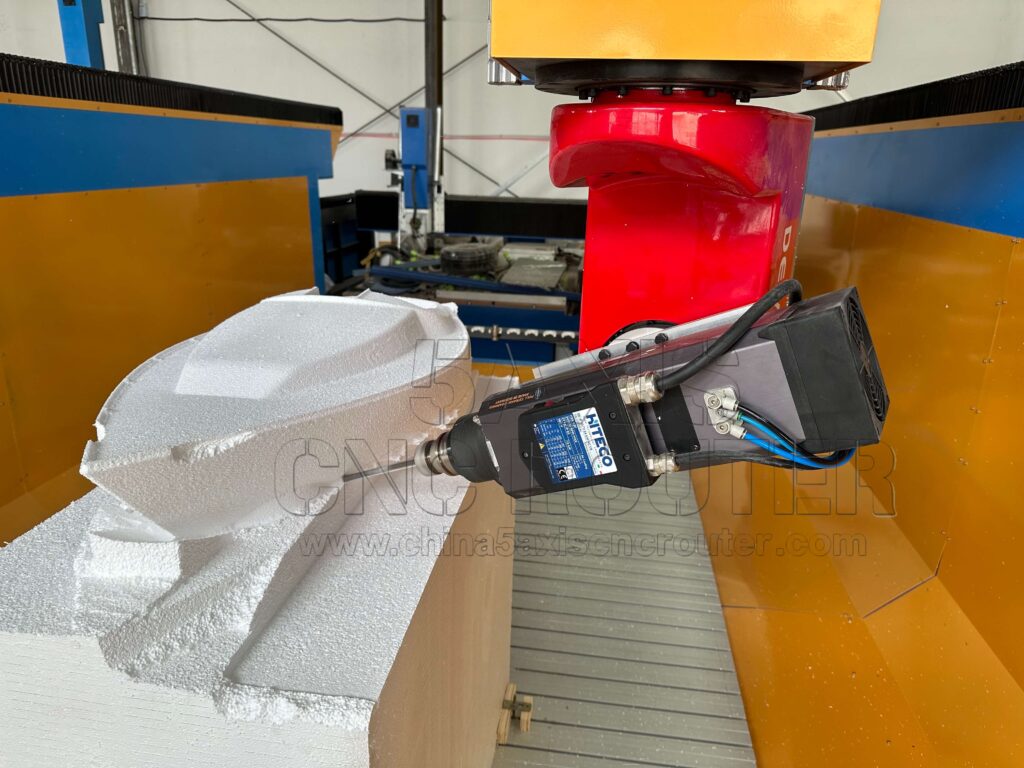
What Is a 5 Axis CNC Router? A Practical Explanation for Engineers
A 5 axis CNC router is often described as a “more advanced” CNC machine, but this description is vague and frequently misleading.

Discover how 5 axis CNC router machines are transforming modern manufacturing with unmatched precision and flexibility. In this blog, we explore the core technology behind 5-axis machining, why it matters for complex 3D production, and how businesses can benefit from full-angle cutting, faster workflows, and superior accuracy. Whether you work in woodworking, aerospace, mold making, automotive prototyping, or large-scale sculpture carving, this guide helps you understand how a 5 axis CNC router can dramatically improve efficiency and product quality. From machine structure and performance tips to real-world applications and buyer recommendations, this blog delivers practical insights for manufacturers looking to upgrade their production capabilities.
A 5 axis CNC router is often described as a “more advanced” CNC machine, but this description is vague and frequently misleading.
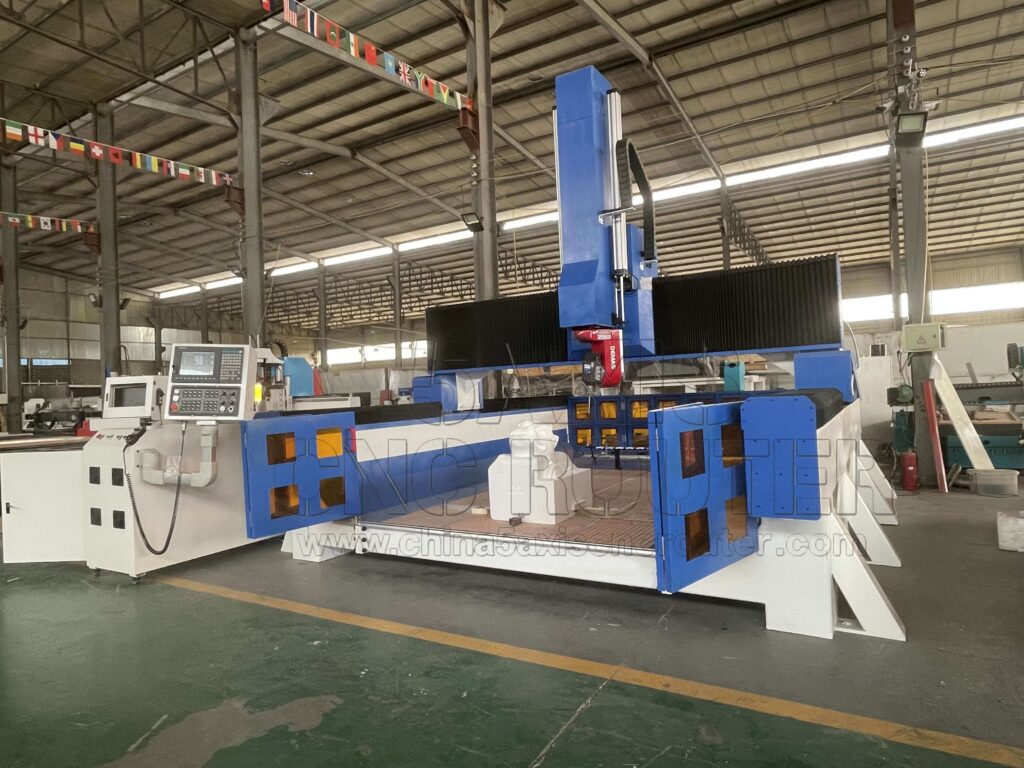
When evaluating CNC router options for complex components, engineers and manufacturers often encounter two terms: 3+2 axis and true 5 axis. While both involve five axes of movement, their operational capabilities, machining strategies, and applications differ significantly.
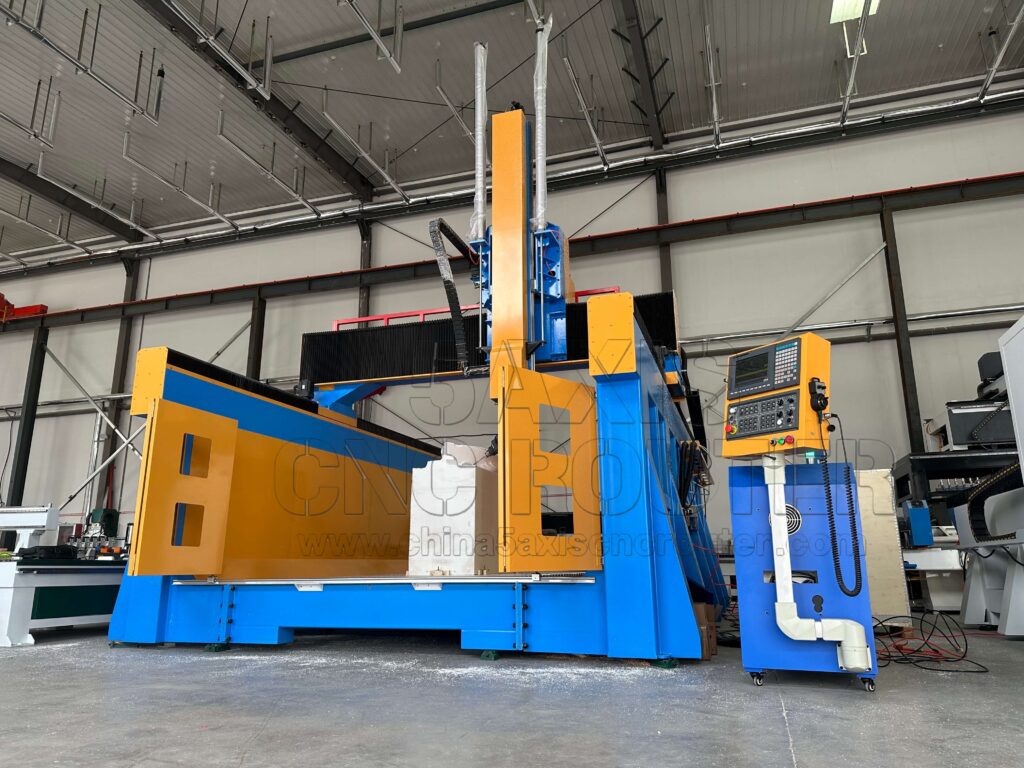
In aerospace and automotive industries, precision is non-negotiable. Complex parts with curved surfaces, undercuts, and multi-plane features demand tight tolerances and repeatable accuracy.
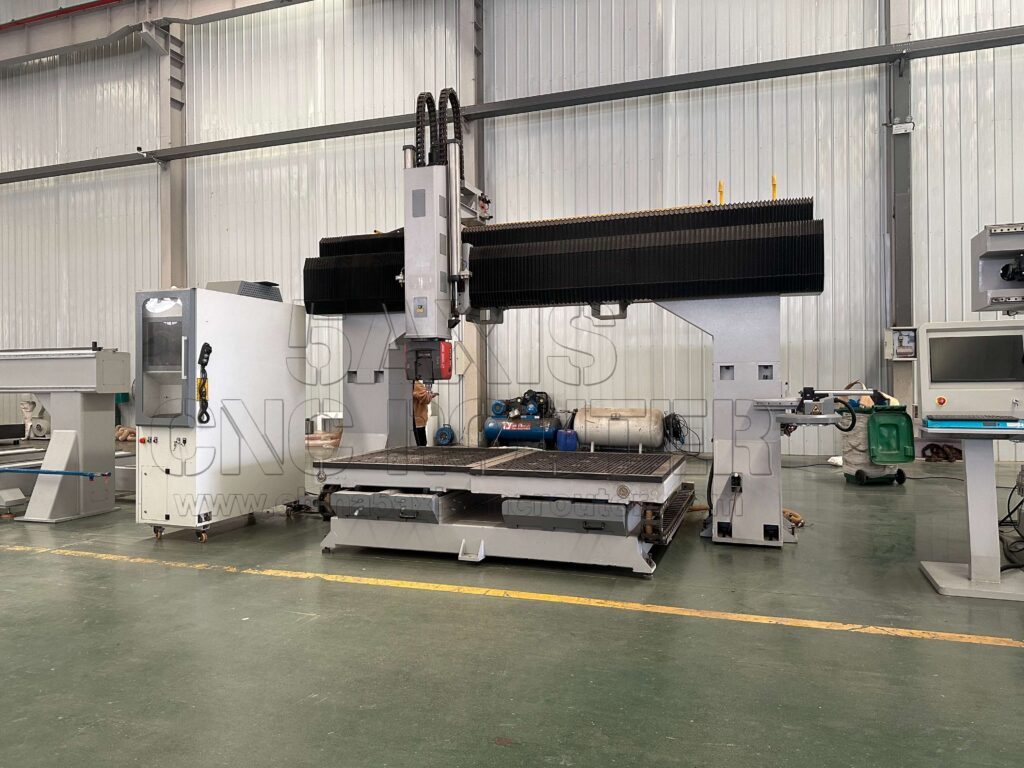
Industrial production efficiency depends on minimizing setup time, maximizing machine uptime, and achieving consistent quality.
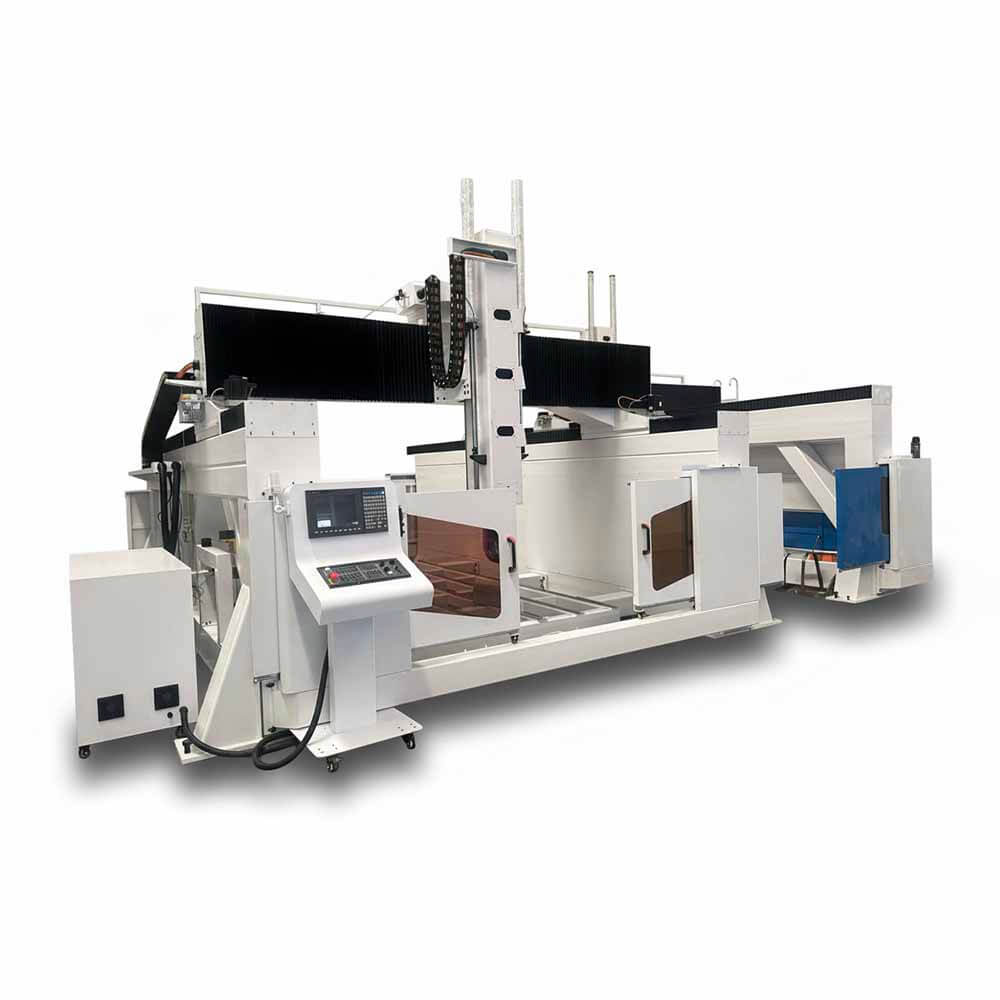
5 axis CNC routers are versatile machines, but their efficiency and output quality depend heavily on the material being machined.
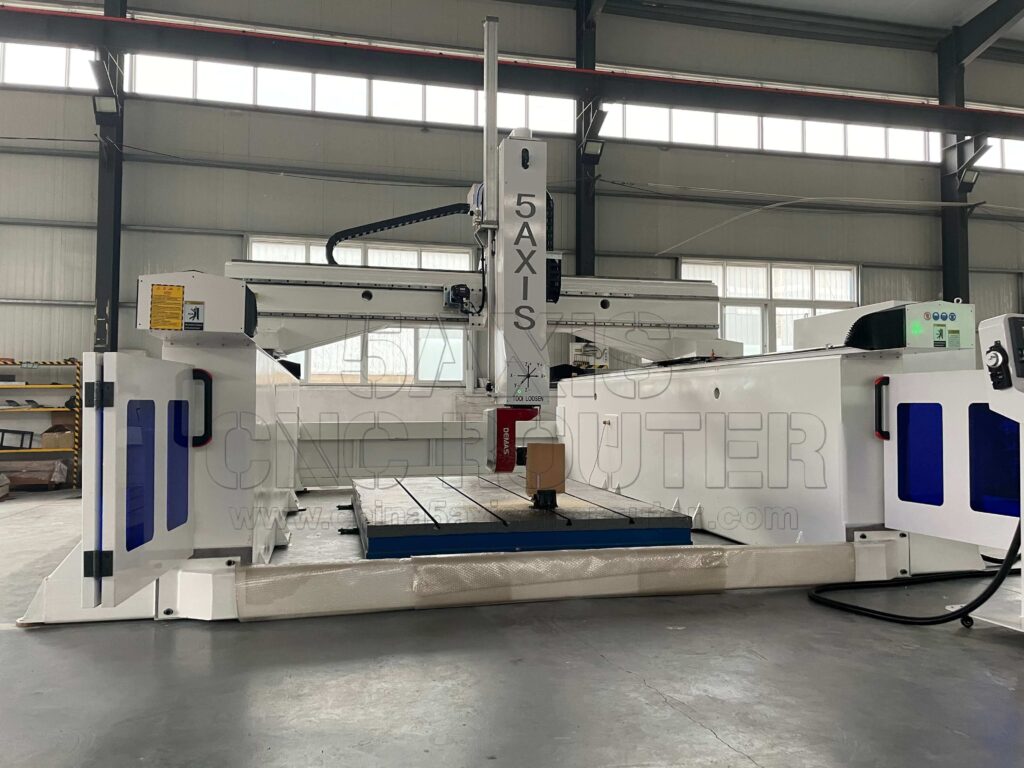
In modern furniture manufacturing, precision, repeatability, and surface quality are essential. Complex designs with curved components, sculpted panels, and intricate joinery often exceed the capabilities of standard 3 axis CNC routers.
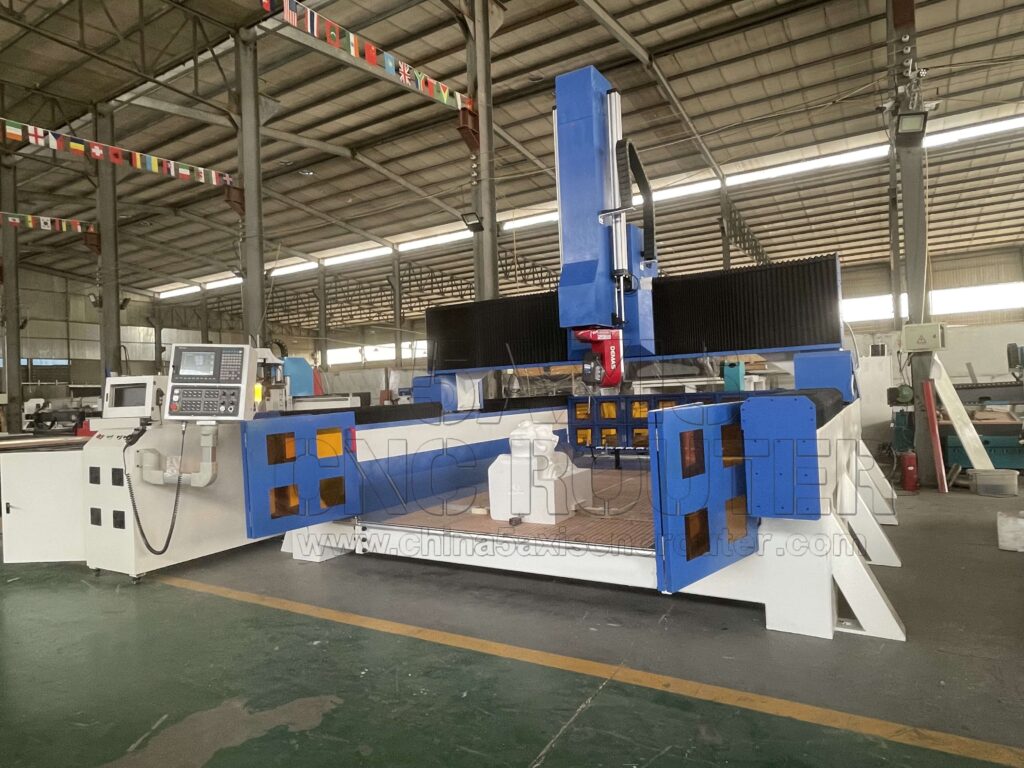
Specification sheets for 5 axis CNC routers often appear comprehensive, listing dozens of parameters such as spindle power, travel range, positioning accuracy, and control systems. However, not all specifications have equal impact on real-world machining performance.
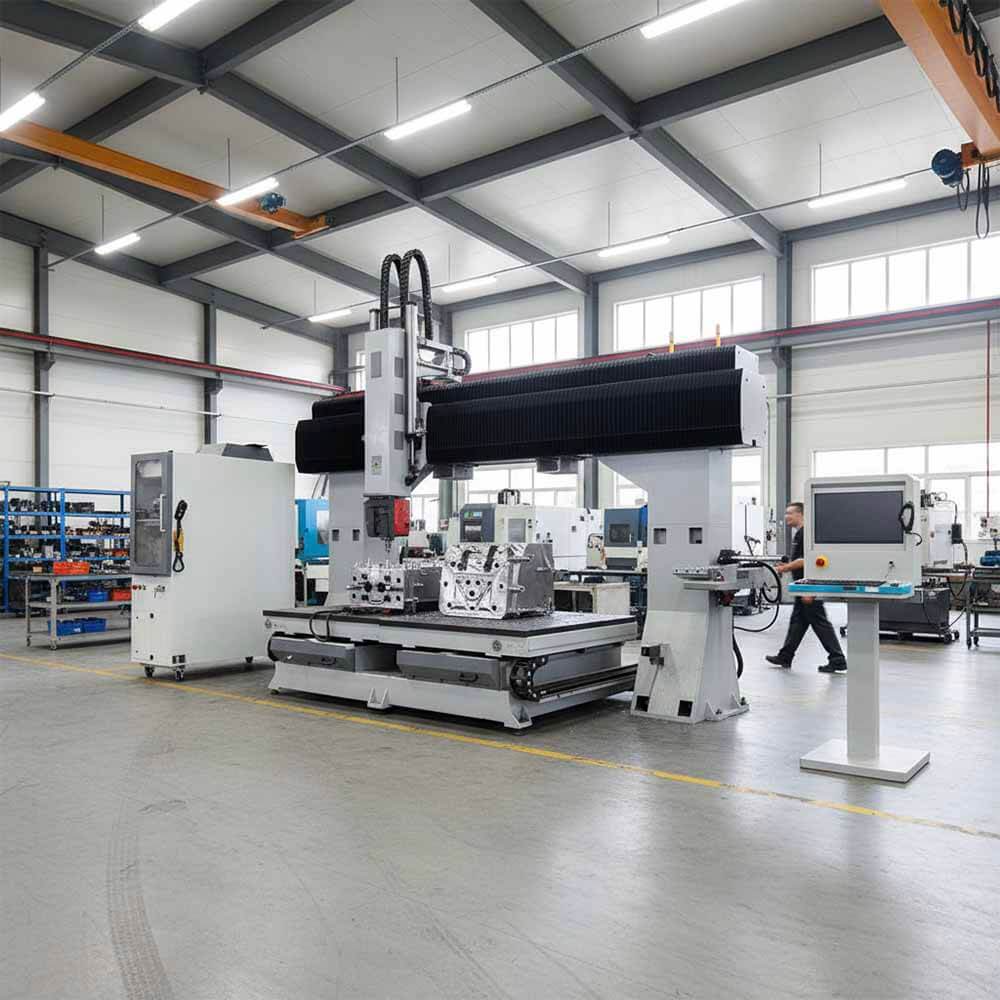
A 5 axis CNC router is often described as a “high-end” machining solution, but its real value depends on how and where it is used.
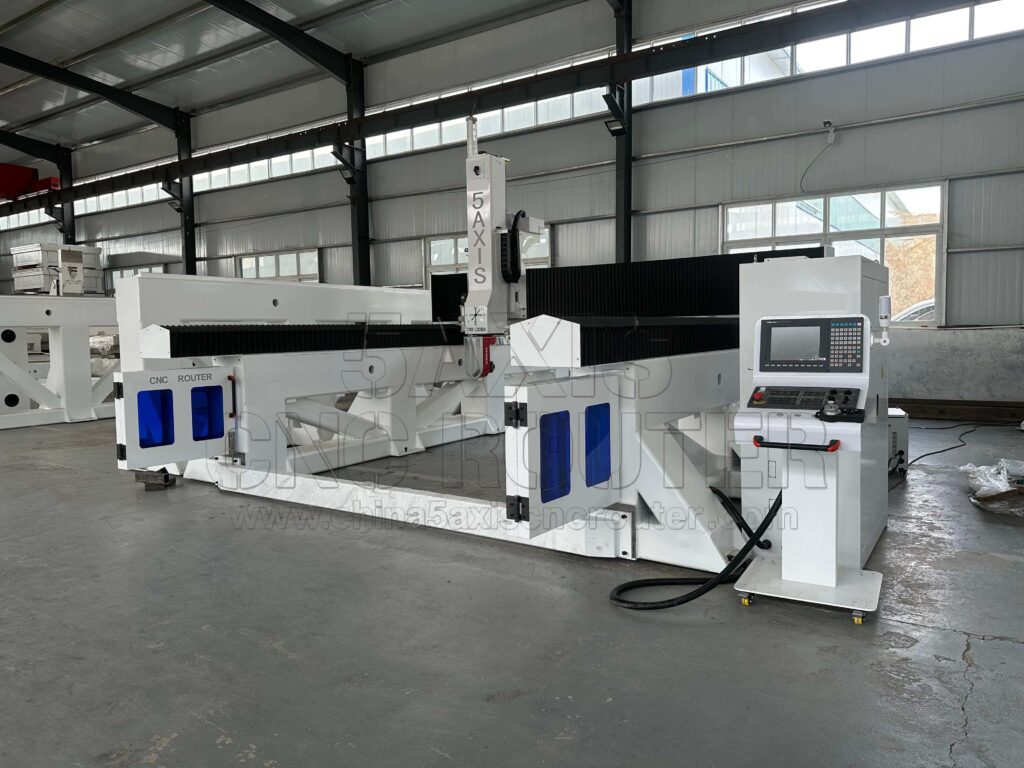
When manufacturers begin machining complex three-dimensional parts, the discussion often shifts from basic 3 axis CNC routing to more advanced configurations.
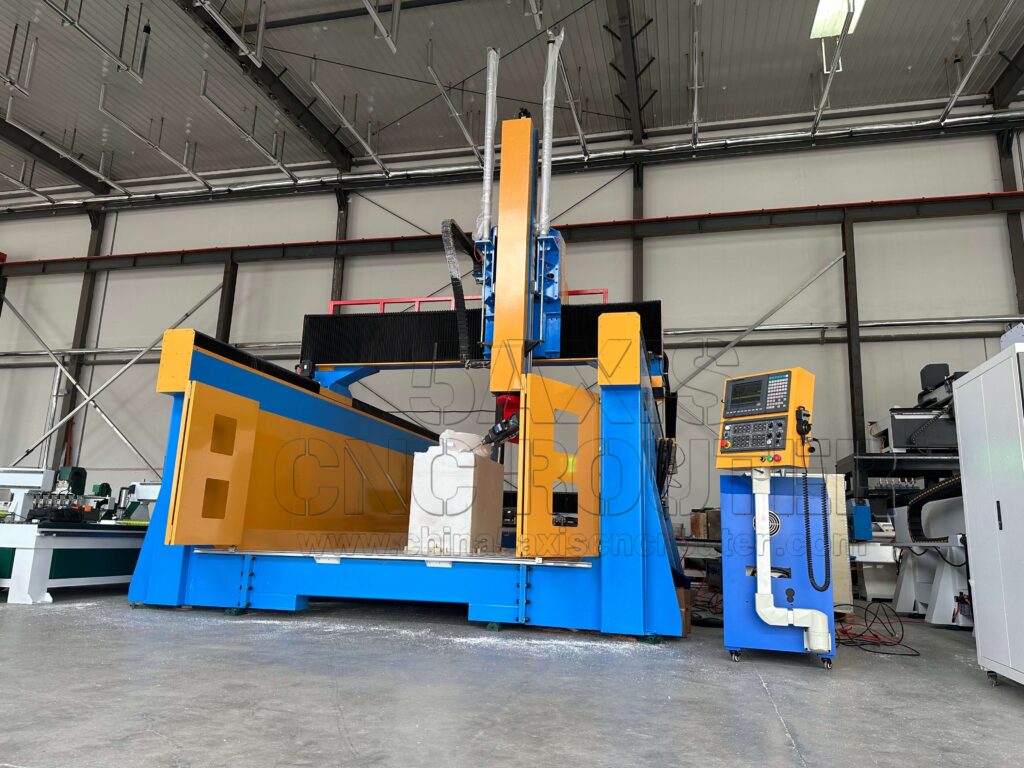
The question “Do I really need a 5 axis CNC router?” is common among manufacturers, workshop owners, and engineering teams evaluating equipment upgrades. T
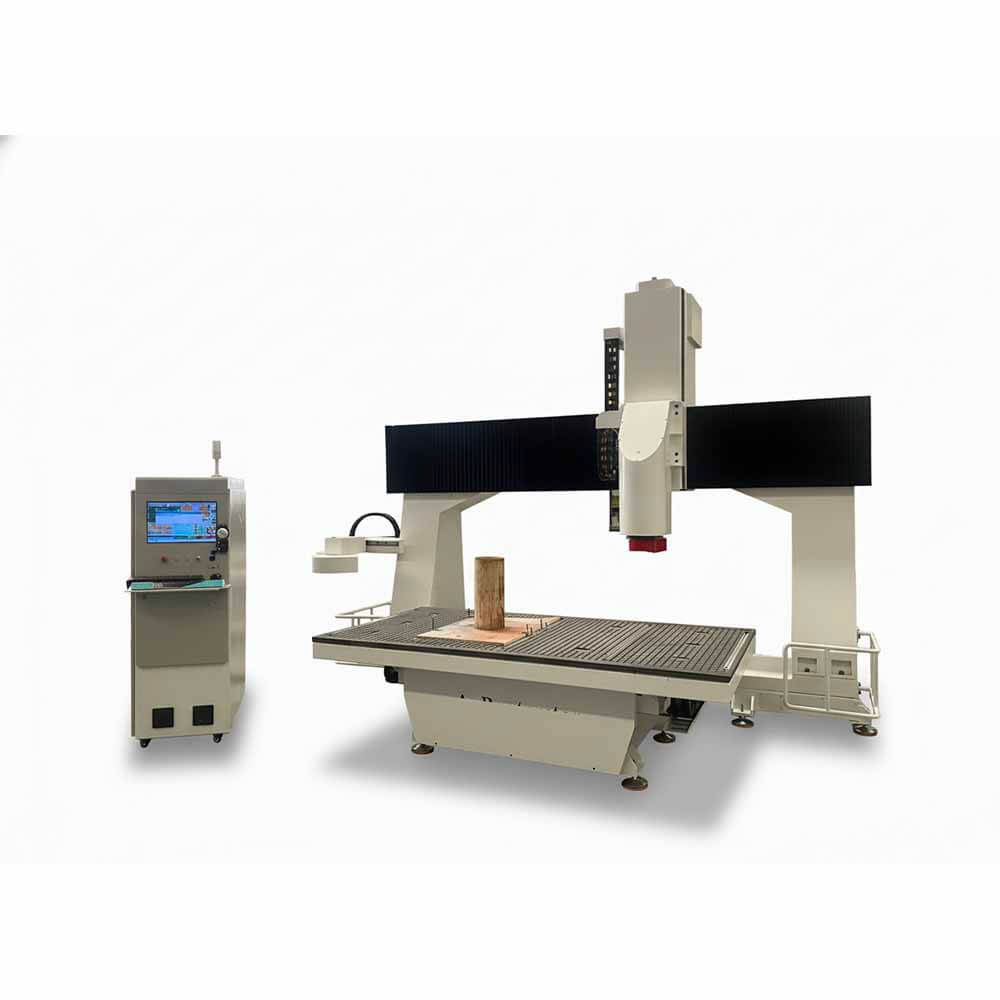
A 5 axis CNC router is an advanced computer-controlled machining system designed to manufacture complex three-dimensional parts with high geometric accuracy and consistent surface quality.
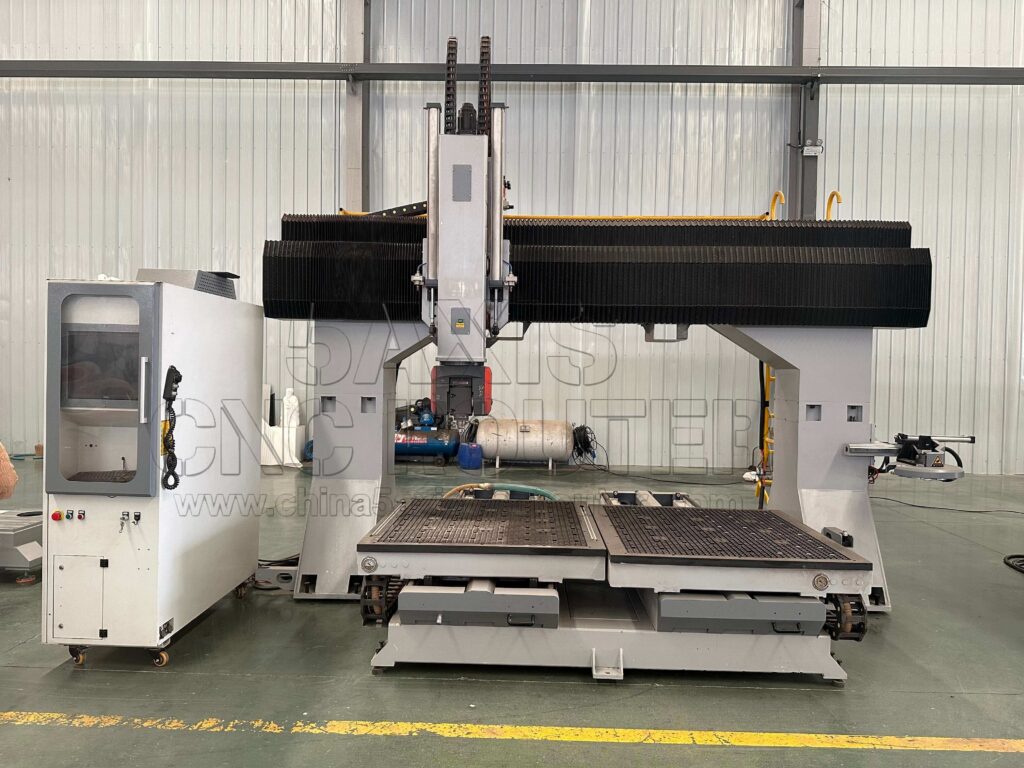
The versatility of 5 Axis CNC routers lies in their ability to work with a wide variety of materials, from soft woods to high-density composites. Choosing the right material is crucial for maximizing machine performance, ensuring precision, and improving overall production efficiency.
China 5 Axis CNC Router is a professional manufacturer and supplier of 5 axis CNC routers and 5 axis machining centers. We focus on delivering high-precision, stable, and efficient CNC solutions for woodworking, metalworking, aerospace, automotive, molds, and composite materials industries.
 EN
EN  AR
AR  EO
EO  IT
IT  DE
DE  KO
KO  JA
JA  RU
RU  AZ
AZ  BG
BG  CS
CS  DA
DA  EL
EL  ES
ES  FR
FR  ID
ID  LV
LV  NL
NL  ML
ML  PT
PT  TT
TT  SL
SL  TH
TH  UZ
UZ  UK
UK  SV
SV  TR
TR