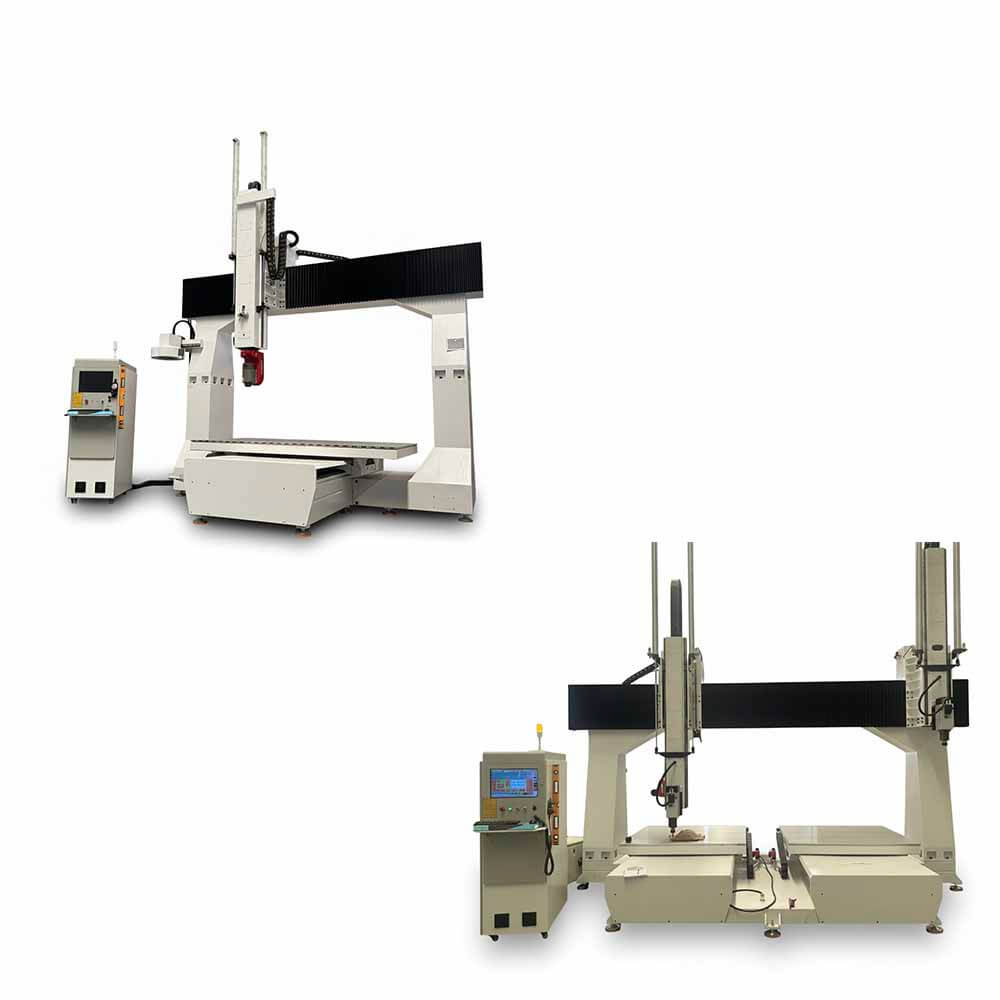
How 5 Axis CNC Routers Improve Efficiency in Furniture Manufacturing
In the competitive furniture manufacturing industry, efficiency and precision are key to staying ahead.

Discover how 5 axis CNC router machines are transforming modern manufacturing with unmatched precision and flexibility. In this blog, we explore the core technology behind 5-axis machining, why it matters for complex 3D production, and how businesses can benefit from full-angle cutting, faster workflows, and superior accuracy. Whether you work in woodworking, aerospace, mold making, automotive prototyping, or large-scale sculpture carving, this guide helps you understand how a 5 axis CNC router can dramatically improve efficiency and product quality. From machine structure and performance tips to real-world applications and buyer recommendations, this blog delivers practical insights for manufacturers looking to upgrade their production capabilities.
In the competitive furniture manufacturing industry, efficiency and precision are key to staying ahead.
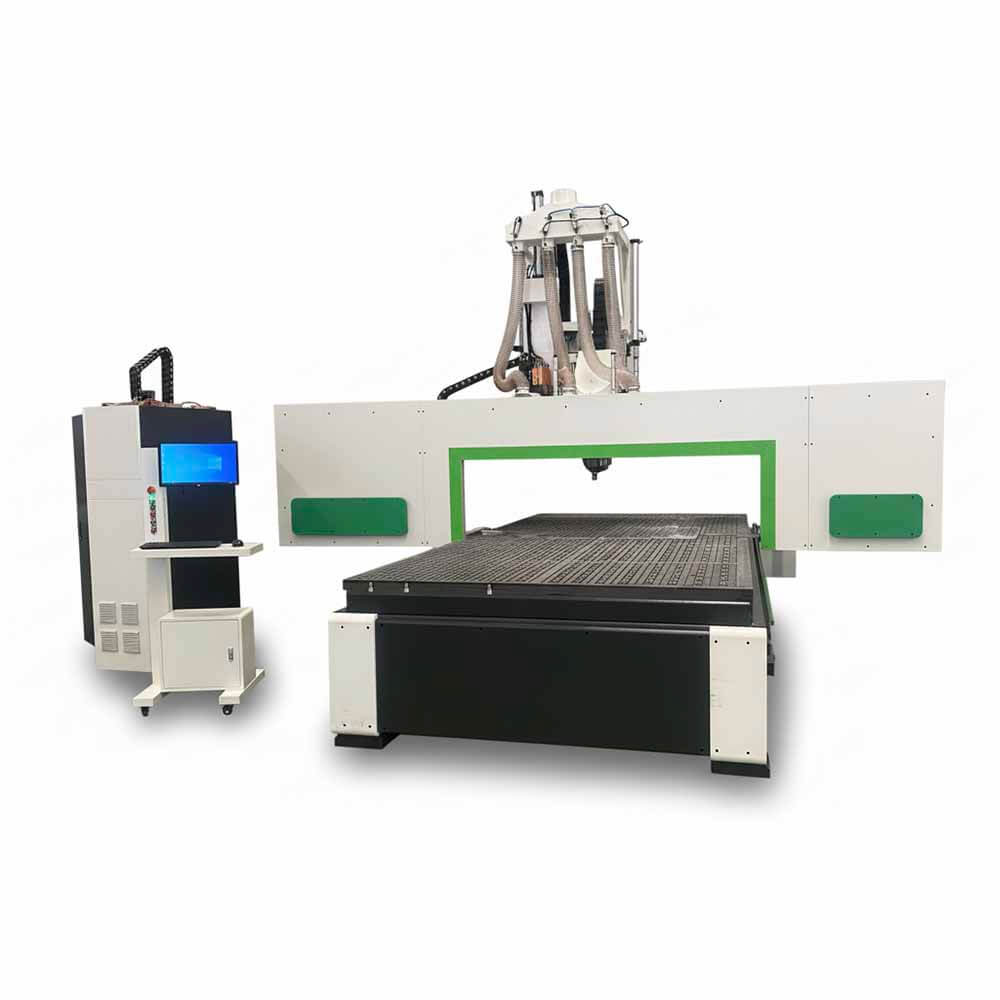
For woodworking shops and furniture manufacturers, productivity, accuracy, and flexibility are critical. As product designs become more complex and customer expectations increase, many businesses start asking an important question:
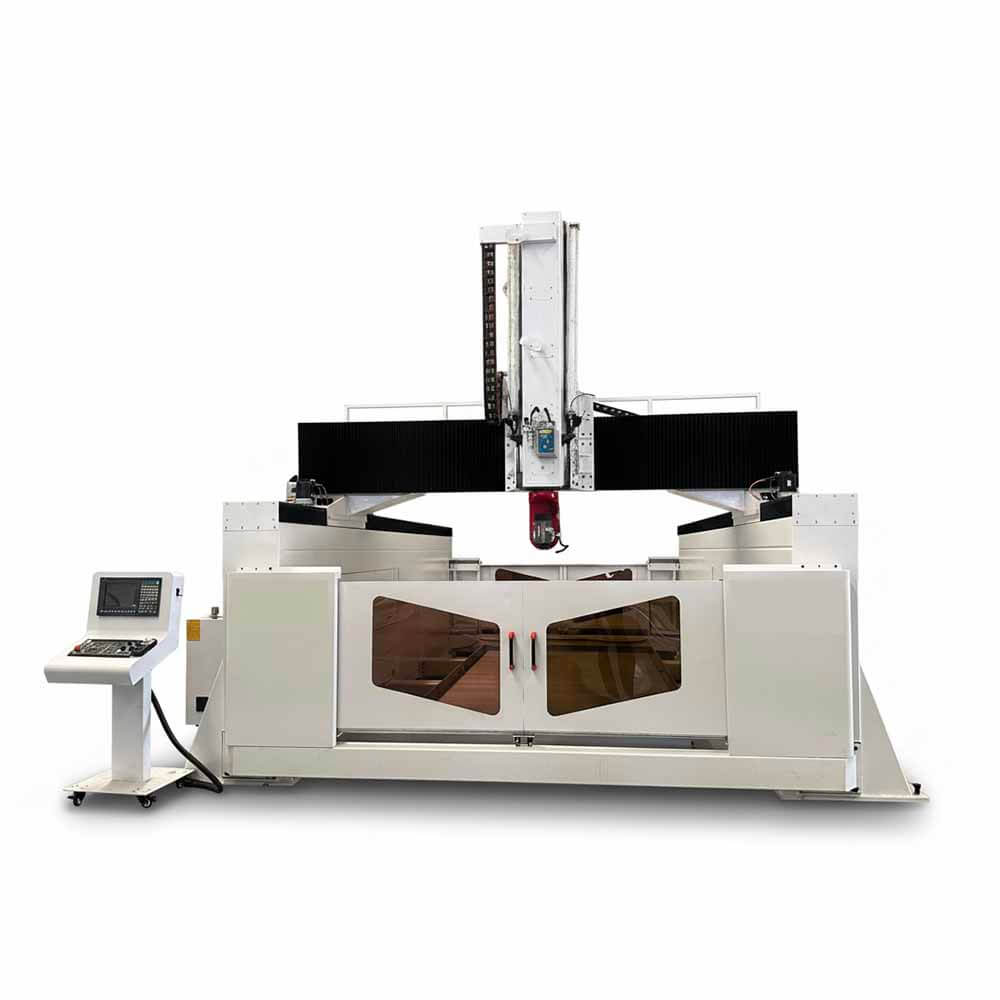
Choosing between a 3+2 axis CNC router and a true 5 axis CNC router is one of the most important decisions buyers face when investing in multi-axis CNC equipment.
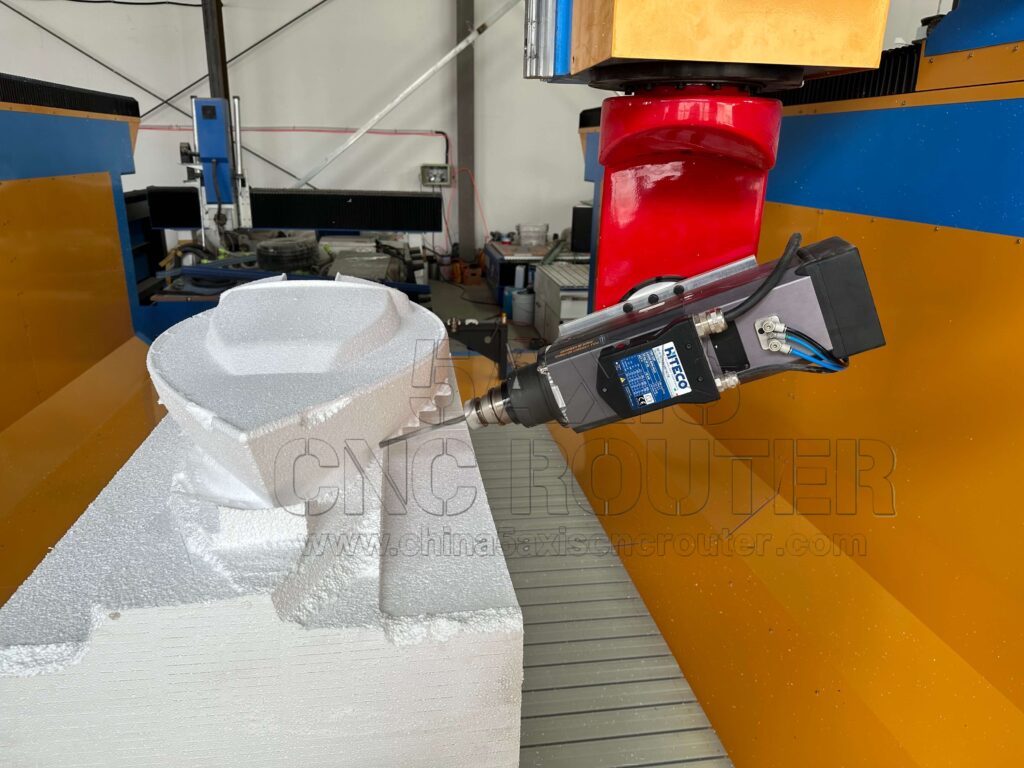
A 5 axis CNC router is a major investment for any manufacturing business.

As modern manufacturing shifts toward complex geometry, high efficiency, and precision-driven production, industrial 5 axis CNC router machines have become essential equipment across multiple industries.
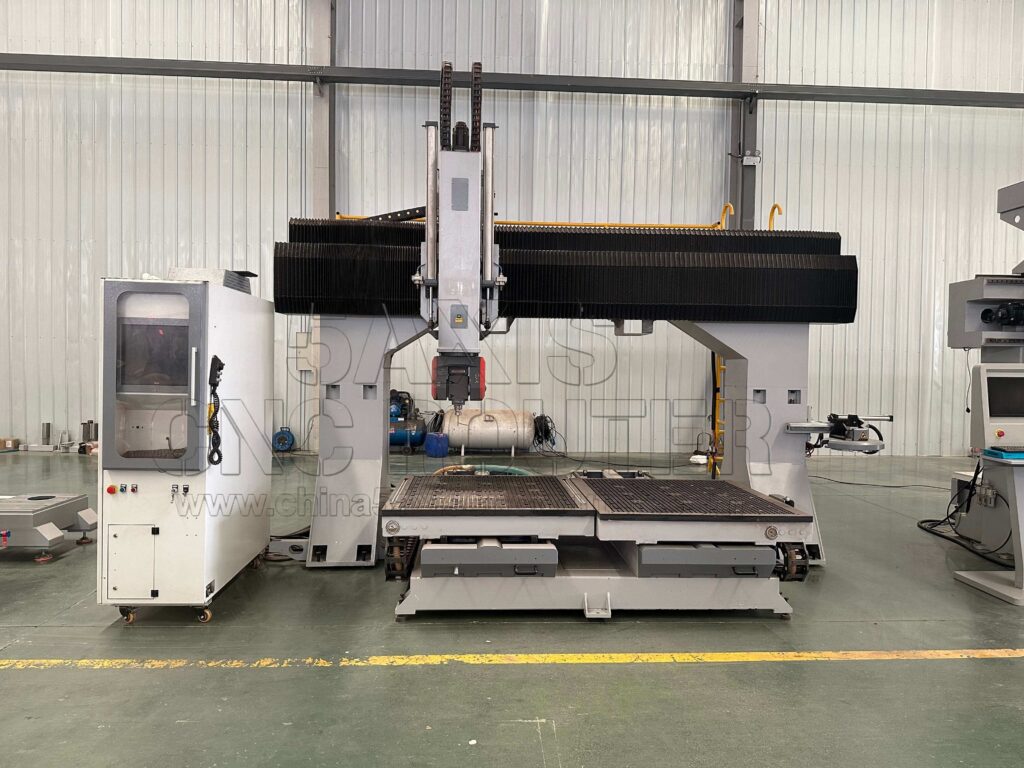
As manufacturing and woodworking industries continue to demand higher precision and more complex shapes, 5 axis CNC router machines have become an essential solution.
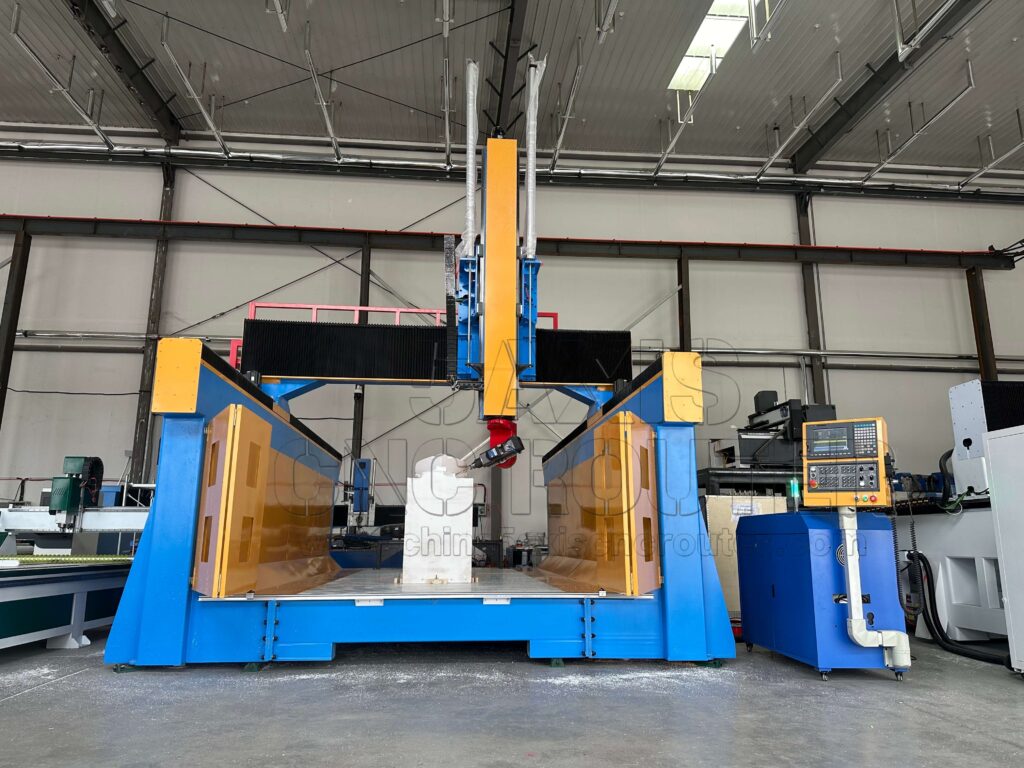
In today’s advanced manufacturing world, the demand for precision, flexibility, and efficiency is higher than ever
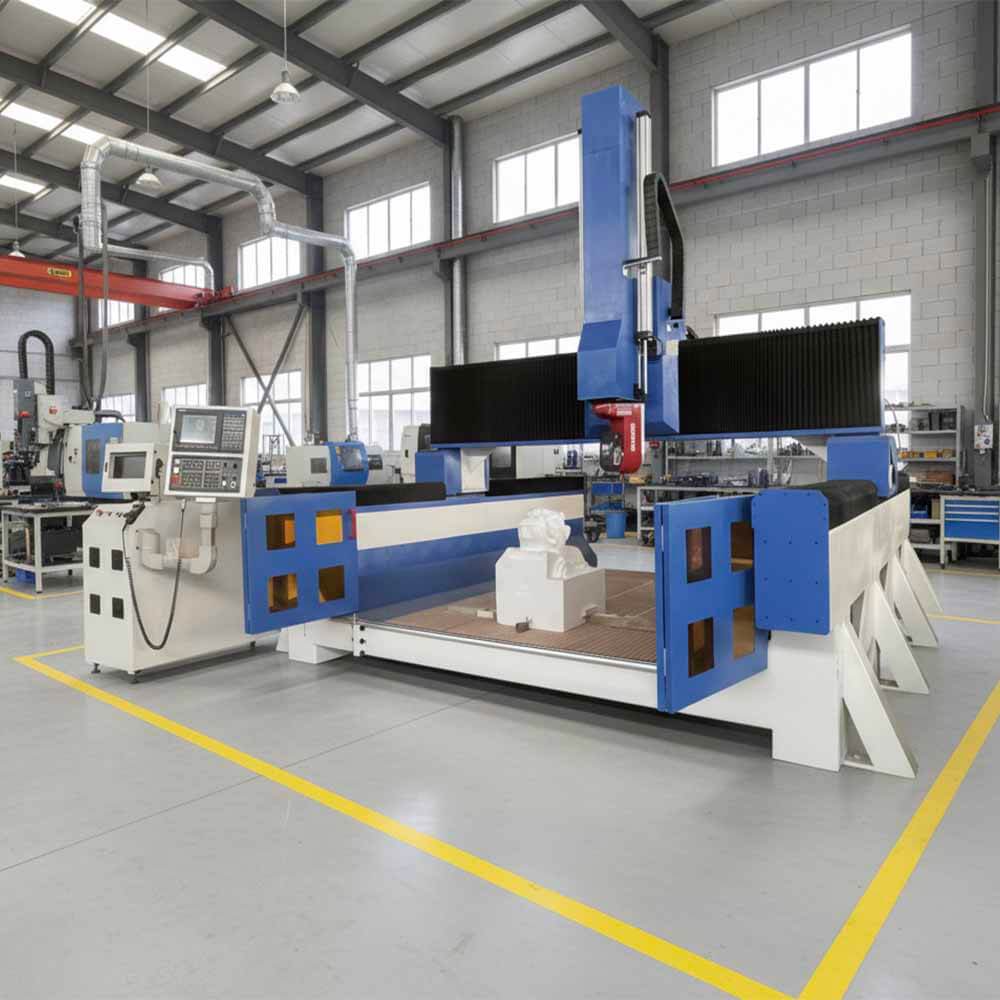
In modern fabrication and manufacturing, the ability to efficiently produce complex, multi‑dimensional parts is increasingly vital.
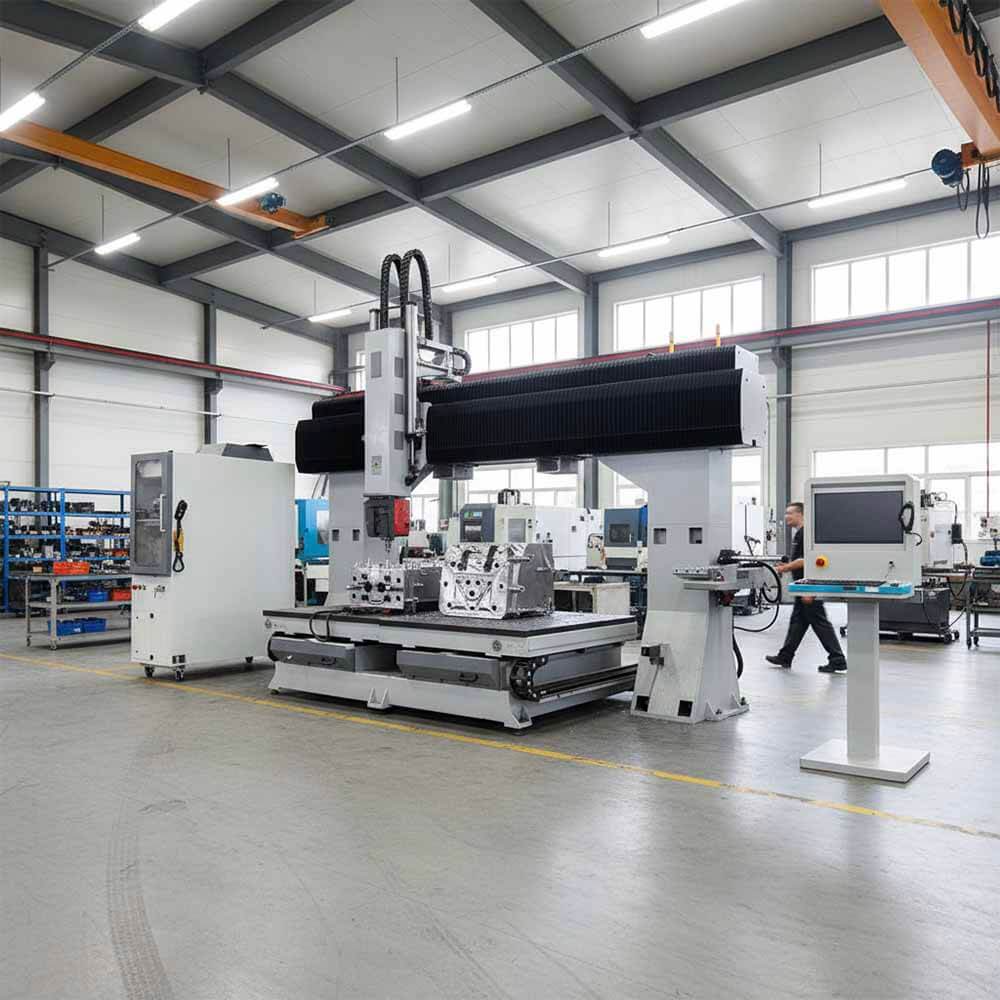
In modern manufacturing, achieving precision, efficiency, and flexibility is more important than ever.
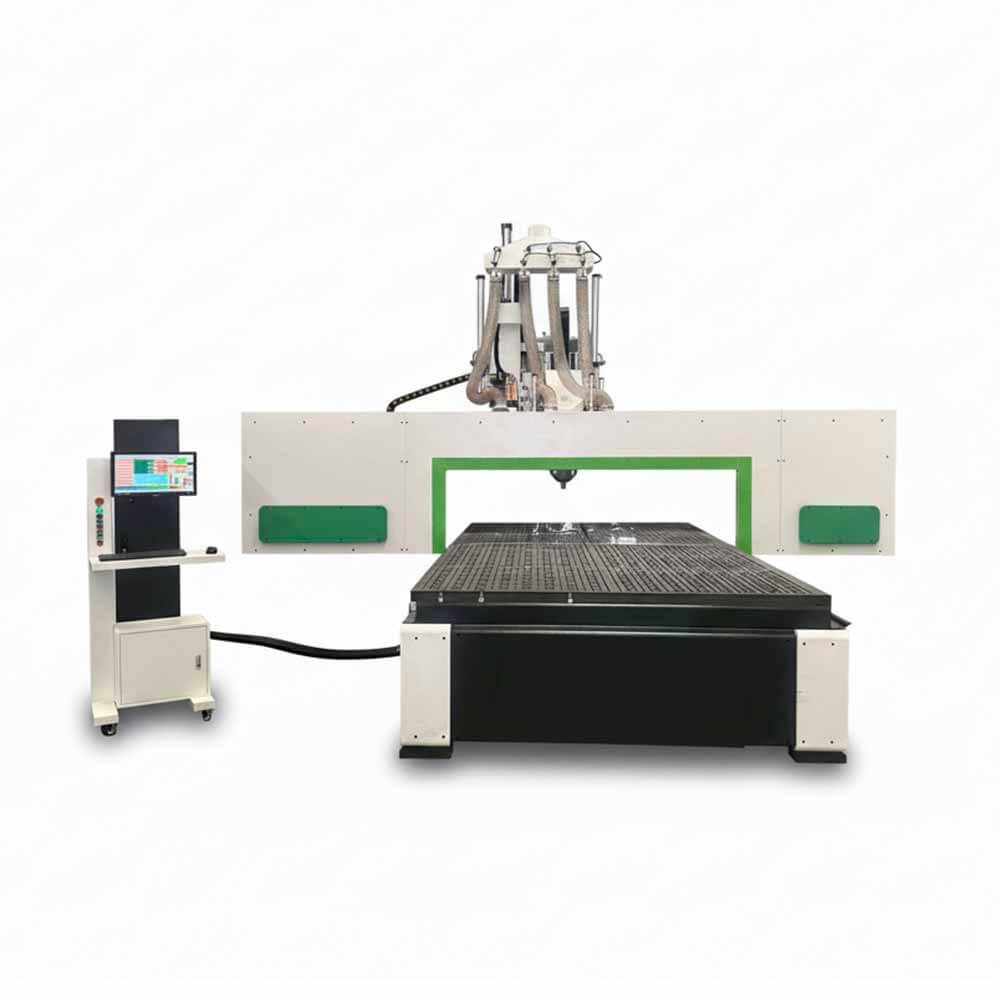
In today’s precision manufacturing and machining environment, flexibility, speed, and accuracy are more critical than ever.
In modern manufacturing and machining, complexity, precision, and efficiency go hand-in-hand.
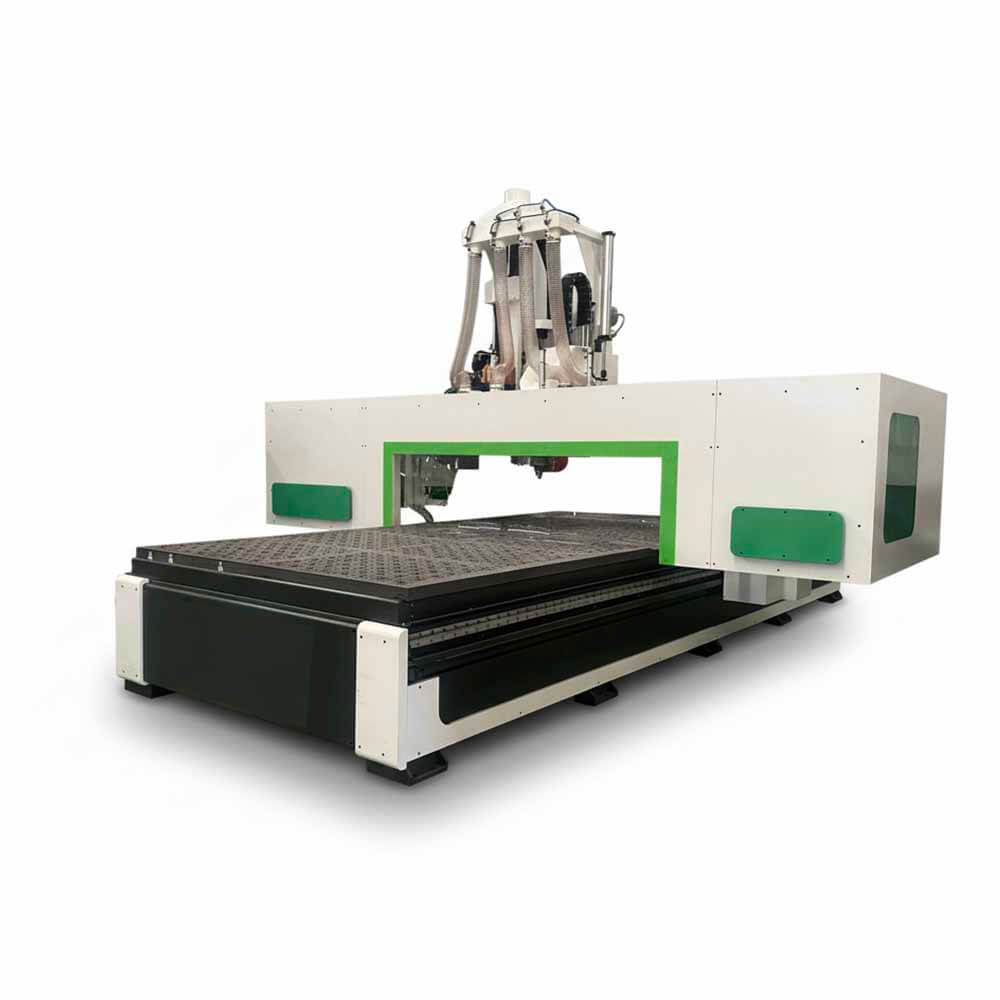
In today’s competitive woodworking industry, precision, efficiency, and flexibility are crucial.
China 5 Axis CNC Router is a professional manufacturer and supplier of 5 axis CNC routers and 5 axis machining centers. We focus on delivering high-precision, stable, and efficient CNC solutions for woodworking, metalworking, aerospace, automotive, molds, and composite materials industries.
 EN
EN  AR
AR  EO
EO  IT
IT  DE
DE  KO
KO  JA
JA  RU
RU  AZ
AZ  BG
BG  CS
CS  DA
DA  EL
EL  ES
ES  FR
FR  ID
ID  LV
LV  NL
NL  ML
ML  PT
PT  TT
TT  SL
SL  TH
TH  UZ
UZ  UK
UK  SV
SV  TR
TR