High‑Performance 5‑Axis CNC Milling — Complete Guide to Multi‑Axis Milling Technology
In today’s advanced manufacturing world, the demand for precision, flexibility, and efficiency is higher than ever
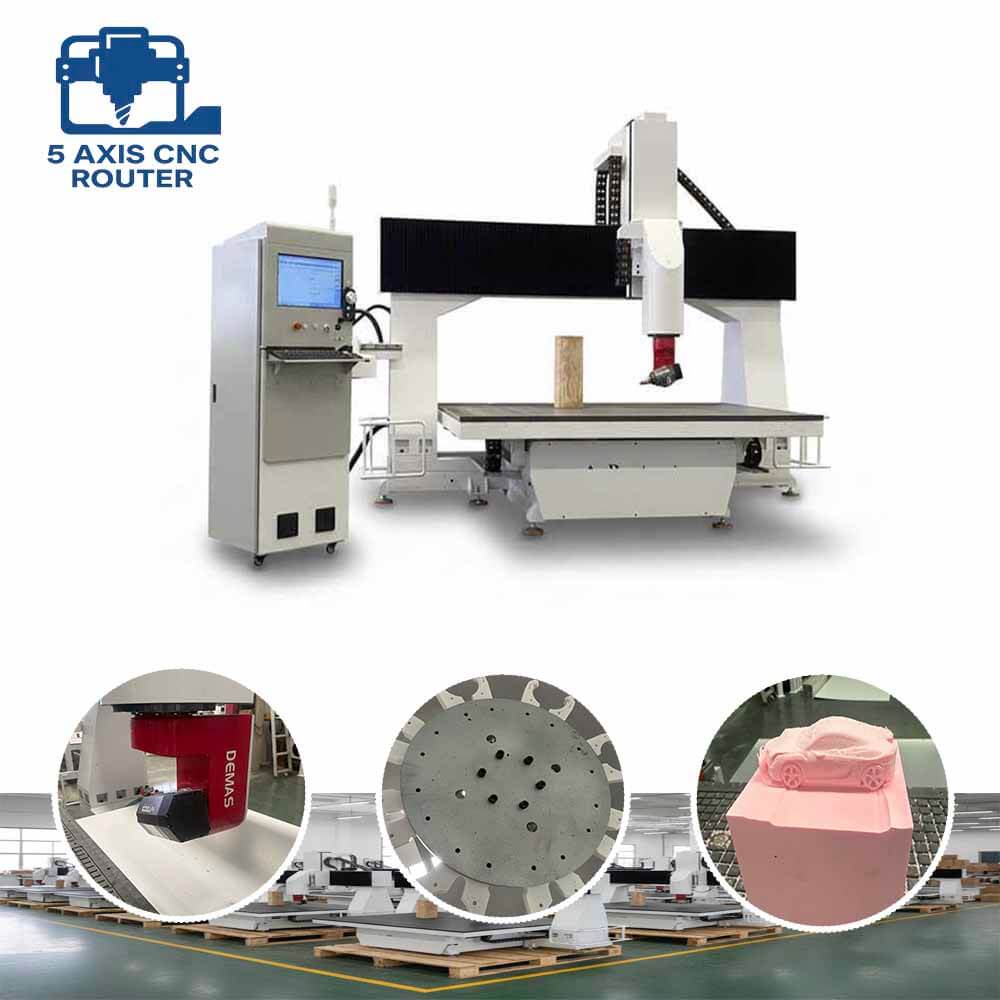
A high‑performance 5‑axis CNC milling machine delivers capabilities that far exceed those of traditional 3‑axis mills — enabling the production of complex geometries, multi‑sided components, large parts, and high‑precision finishes. Whether you are in aerospace, automotive, mold and die making, tooling, or heavy‑duty component manufacturing, understanding the advantages and features of 5‑axis milling is key. This guide explains what 5‑axis milling is, how it works, and why it matters for modern machining operations.
Table of Contents
What Is 5‑Axis Milling — Basic Definition
5‑axis milling uses a machine that can move the cutting tool (or the workpiece) along five independent axes: the three linear axes (X, Y, Z) plus two additional rotary/tilt axes. This expands machining possibilities beyond flat surfaces — the tool can approach from virtually any angle, enabling machining from five sides, complex contours, 3D surfaces, and free‑form shapes. As a result, many parts can be completed in a single setup, minimizing repositioning and improving accuracy.
When all five axes operate simultaneously (known as simultaneous 5‑axis machining), the machine interpolates movements across axes, giving maximal flexibility and enabling complex 3D shapes — perfect for molds, aerospace components, free‑form surfaces, and high‑precision parts.
Why Use 5‑Axis Milling — Key Benefits & Technical Capabilities
Using a 5‑axis CNC milling machine offers several major advantages over traditional milling:
- One‑Setup Multi‑Sided Machining — Components that would require multiple re‑clampings on a 3‑axis mill can often be completed in a single clamping, saving time and reducing alignment errors.
- Support for Complex Geometries & Free‑Form Surfaces — Angled features, contours, undercuts, curved surfaces, and complex 3D shapes become possible with simultaneous 5‑axis motion.
- Handling Large or Heavy Workpieces — Some 5‑axis machines offer large travel ranges and can machine substantial parts and heavy components — extending capabilities to molds, tooling, large assemblies, and industrial parts.
- High Precision & Surface Quality — Volumetric accuracies down to micrometer levels are achievable, which is critical for tool & mold making, aerospace, and high‑precision components.
- Versatility Across Materials & Applications — From aluminium and steel alloys to plastics, composites, molds, and large structural parts: 5‑axis milling machines can be configured with different spindle speeds and tooling to suit precision or heavy-duty tasks.
Types of 5‑Axis Machines & Typical Configurations
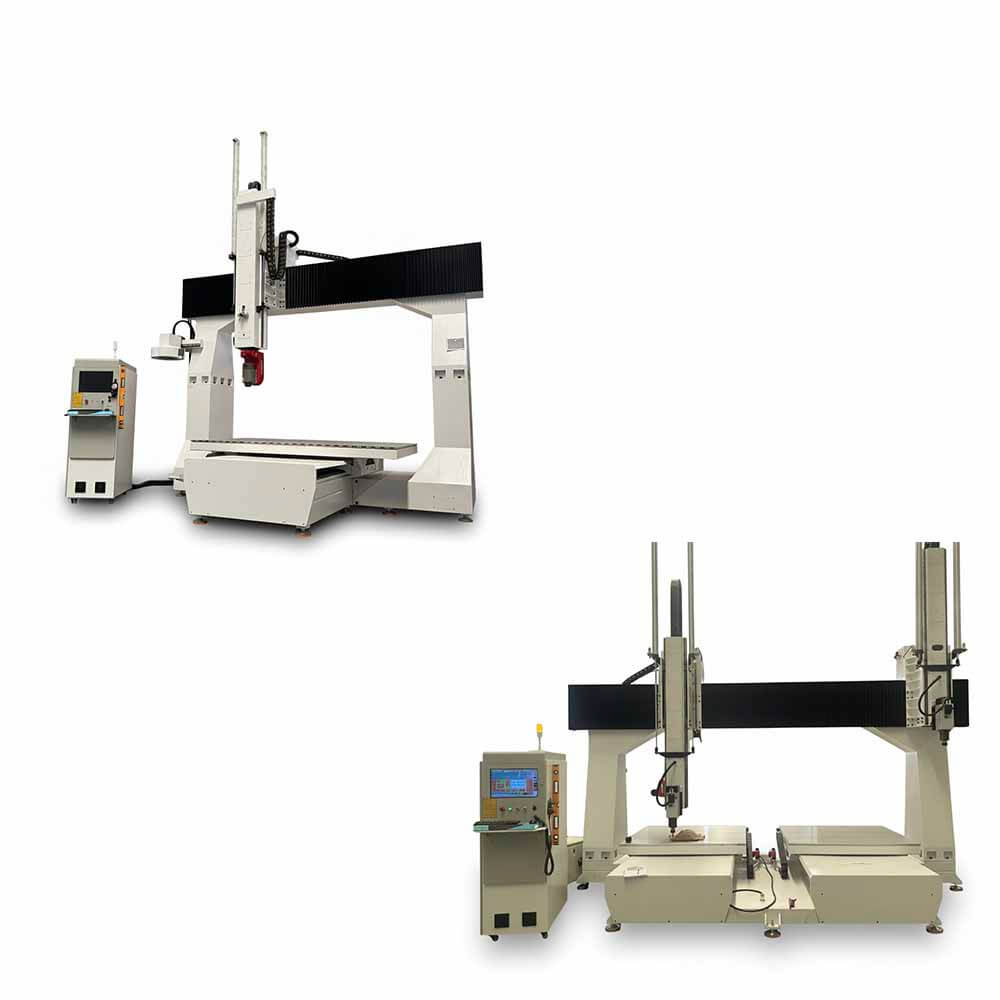
There are various types of 5‑axis milling machines, tailored to different needs — from compact 5‑sided mills to large gantry machines for heavy-duty work:
- Entry‑level 5‑sided mills: Affordable machines suitable for basic multi-sided machining.
- Compact 5‑axis mills: Machines optimized for simultaneous 5‑axis machining of small to medium‑sized parts.
- High‑precision 5‑axis vertical machining centers: Built for high accuracy, rigidity, and surface finish — often used for molds, tools, or precision metal parts.
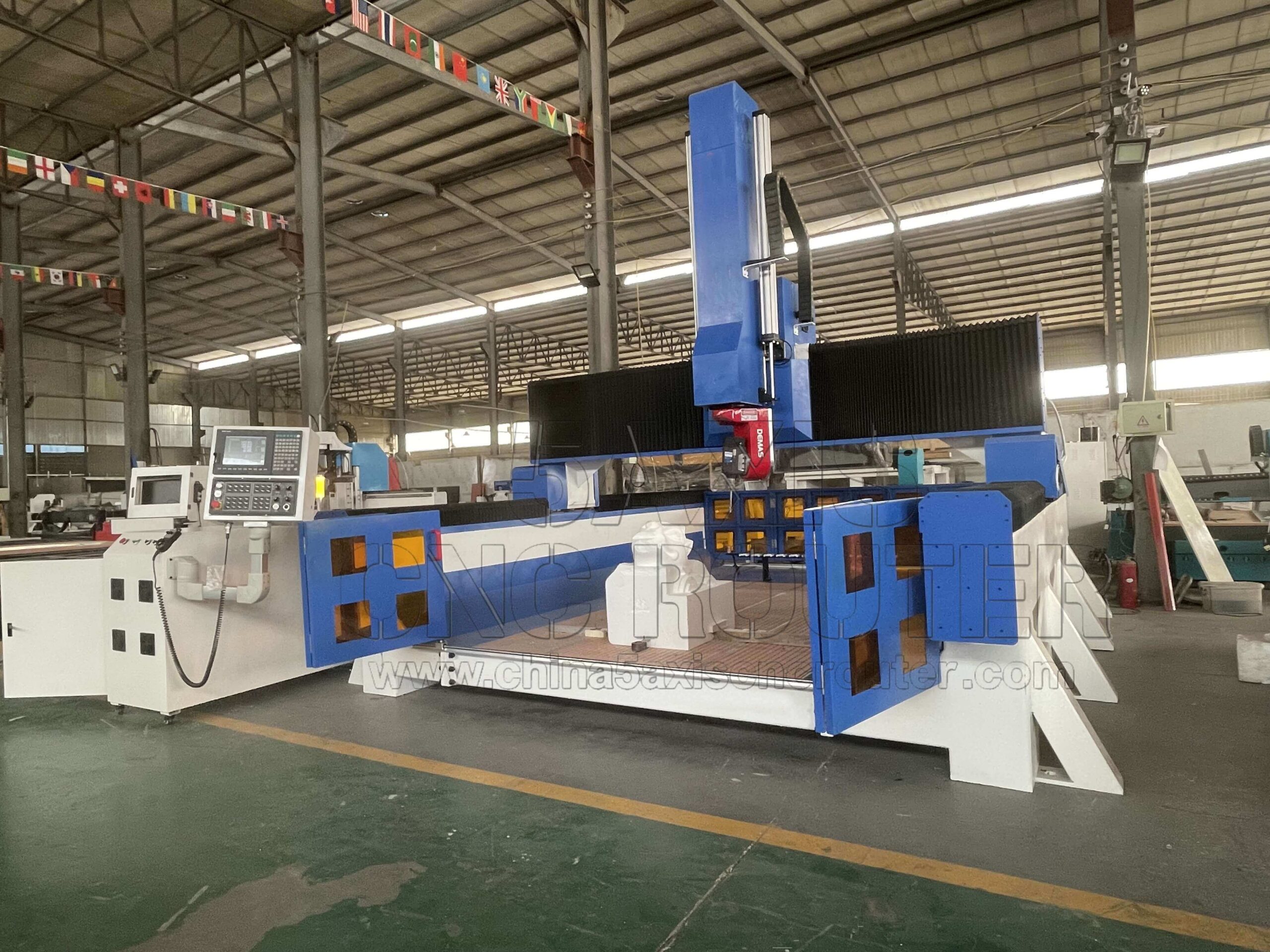
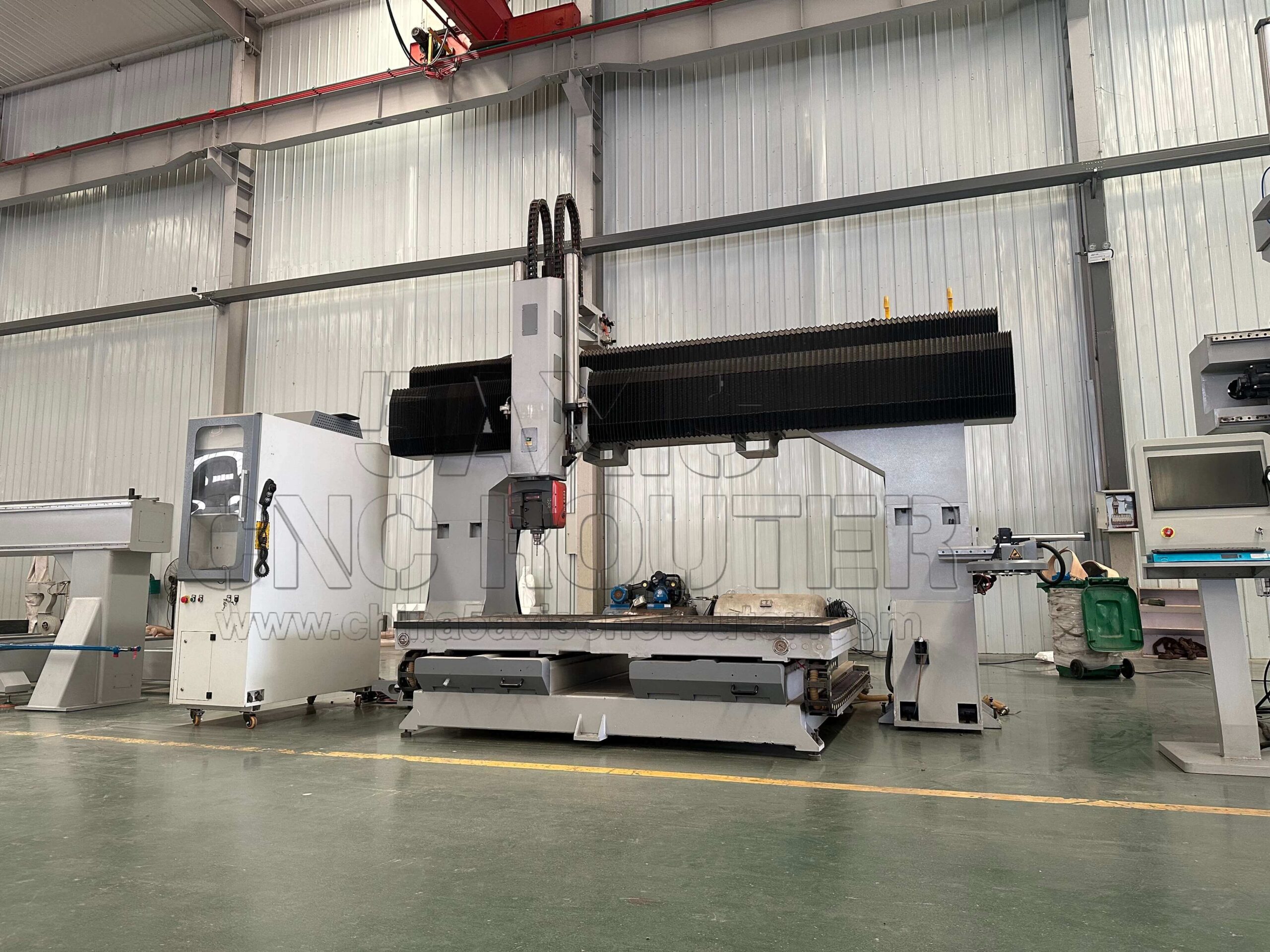
- Large gantry or portal 5‑axis mills: Designed for very large, heavy workpieces or large-scale components, offering extended travels and heavy load capacity.
This diversity allows manufacturers to select a machine that matches part size, precision requirements, material, and volume — from small batch to large-scale production.
Applications & Industries That Benefit Most
5‑axis CNC milling is well suited for industries and applications including:
- Tool & mold making — for injection molds, dies, complex shapes, undercuts and free‑form surfaces.
- Aerospace & automotive parts — complex structural parts, housings, components with 3D surfaces, angled features or tight tolerances.
- Prototype & custom part manufacturing — one‑off parts, small batch runs requiring flexibility and quality.
- Large structural parts & heavy‑duty machining — for machinery components, structural frames, industrial equipment parts.
- Precision metal components & 3D surface finishing — where tight tolerances, surface finish, and multi‑axis geometries are needed.
Conclusion
5‑axis CNC milling represents a powerful leap in machining capability — combining precision, flexibility, and efficiency. By enabling multi‑sided, complex, and large-scale machining in a single setup, 5‑axis mills help manufacturers reduce cycle times, improve part quality, and tackle challenging geometries that would be impractical on simpler machines. Whether you produce molds, high-precision metal parts, structural components, or custom prototypes, investing in a high-performance 5‑axis milling machine can dramatically enhance your workshop’s capabilities, expand production potential, and increase competitiveness in demanding industries.
Products Categories
Recently News


Why Choose Us
1.Experienced CNC manufacturer.
2.Strong R&D and innovation.
3.High-quality machine components.
4.Custom solutions available.
5.Strict quality control.
6.Fast production and delivery.
7.Professional technical support.
8.Competitive factory pricing.
9.Trusted by global customers.
10.One-stop CNC solutions.
Contact Us
- Wechat: ExtraCNC
- Whatsapp/Moblie:0086 15562628072
- Email: [email protected]
 EN
EN  AR
AR  EO
EO  IT
IT  DE
DE  KO
KO  JA
JA  RU
RU  AZ
AZ  BG
BG  CS
CS  DA
DA  EL
EL  ES
ES  FR
FR  ID
ID  LV
LV  NL
NL  ML
ML  PT
PT  TT
TT  SL
SL  TH
TH  UZ
UZ  UK
UK  SV
SV  TR
TR