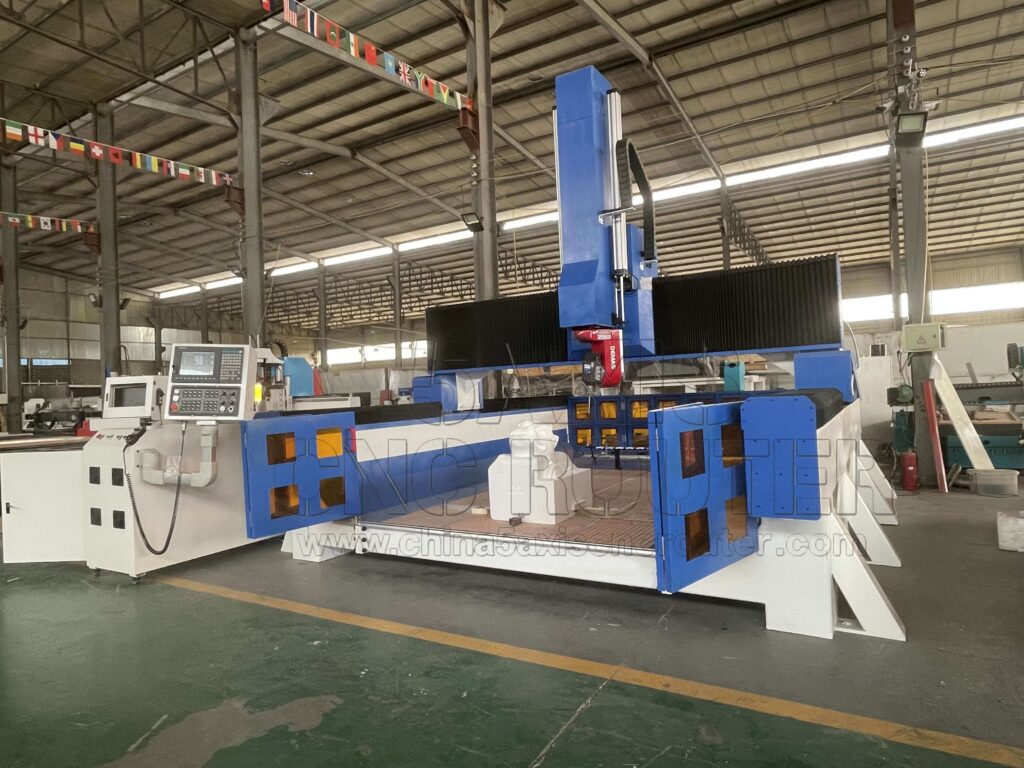
5 Axis CNC Router Fixturing and Workholding: Practical Solutions and Common Mistakes
Why Fixturing Is Harder in 5 Axis Than in 3 Axis

Why Fixturing Is Harder in 5 Axis Than in 3 Axis
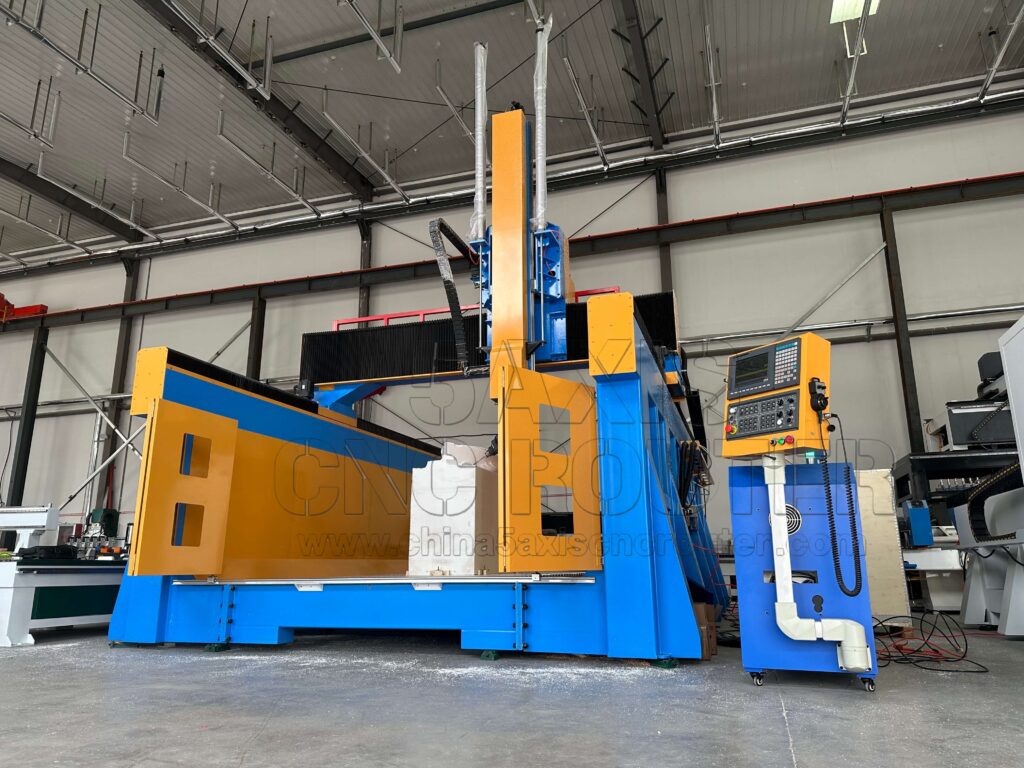
Why Many 5 Axis Projects Fail Before Cutting Starts
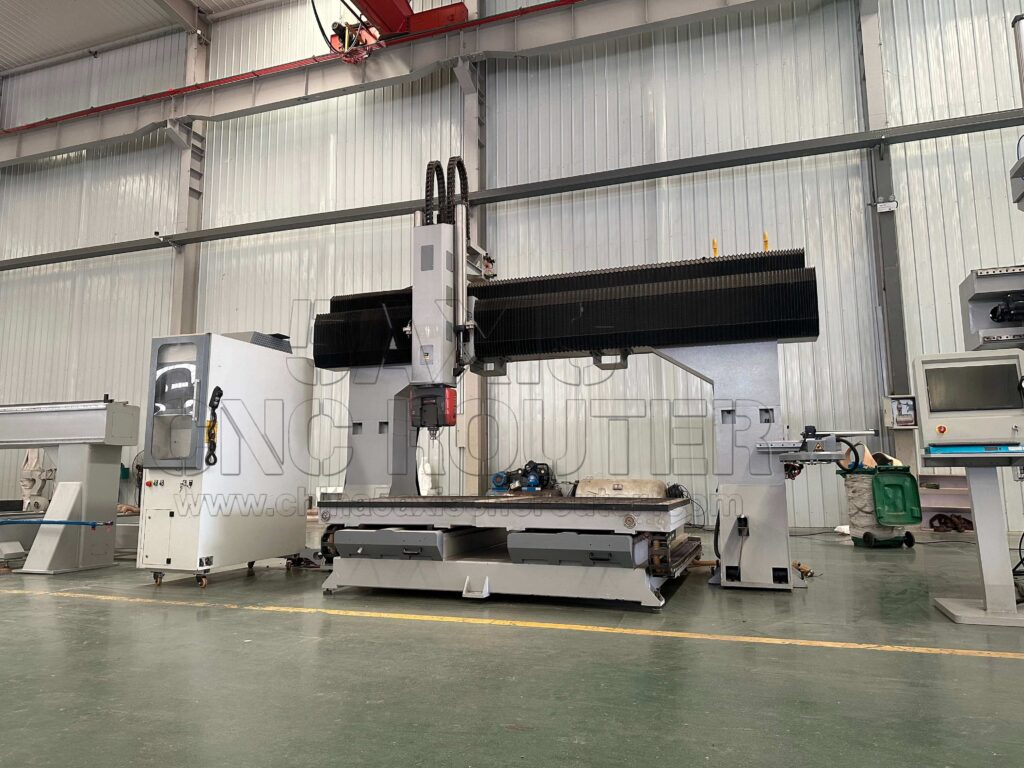
The Real Question Behind Every Purchase
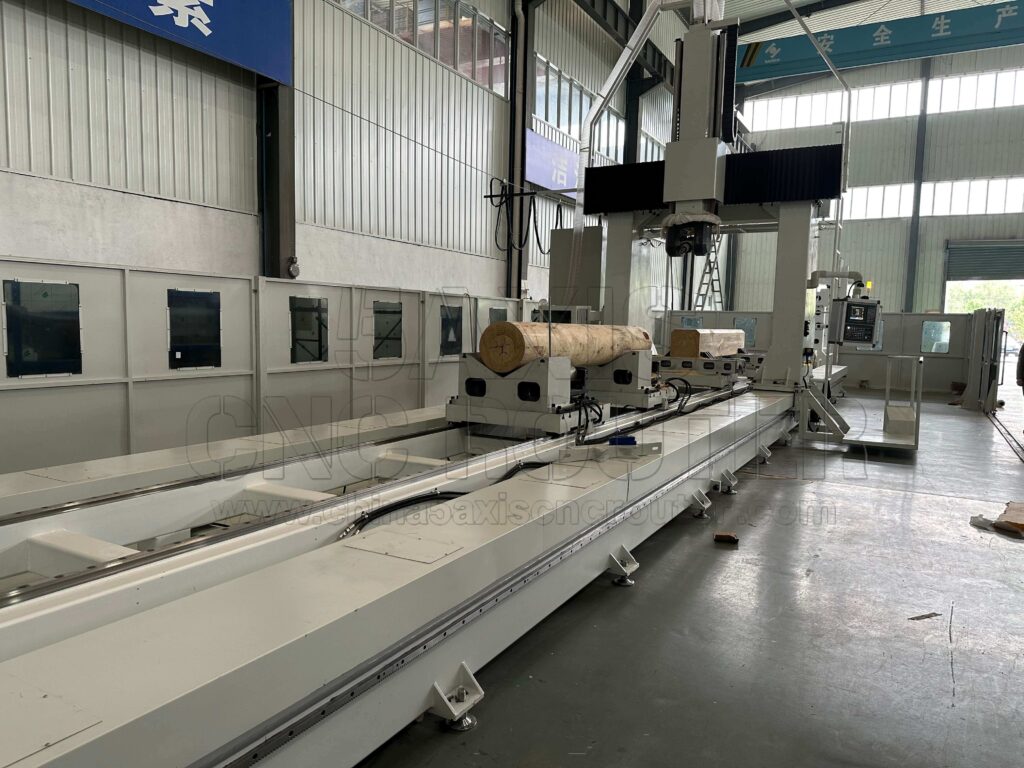
Why Application Clarity Matters More Than Machine Specs
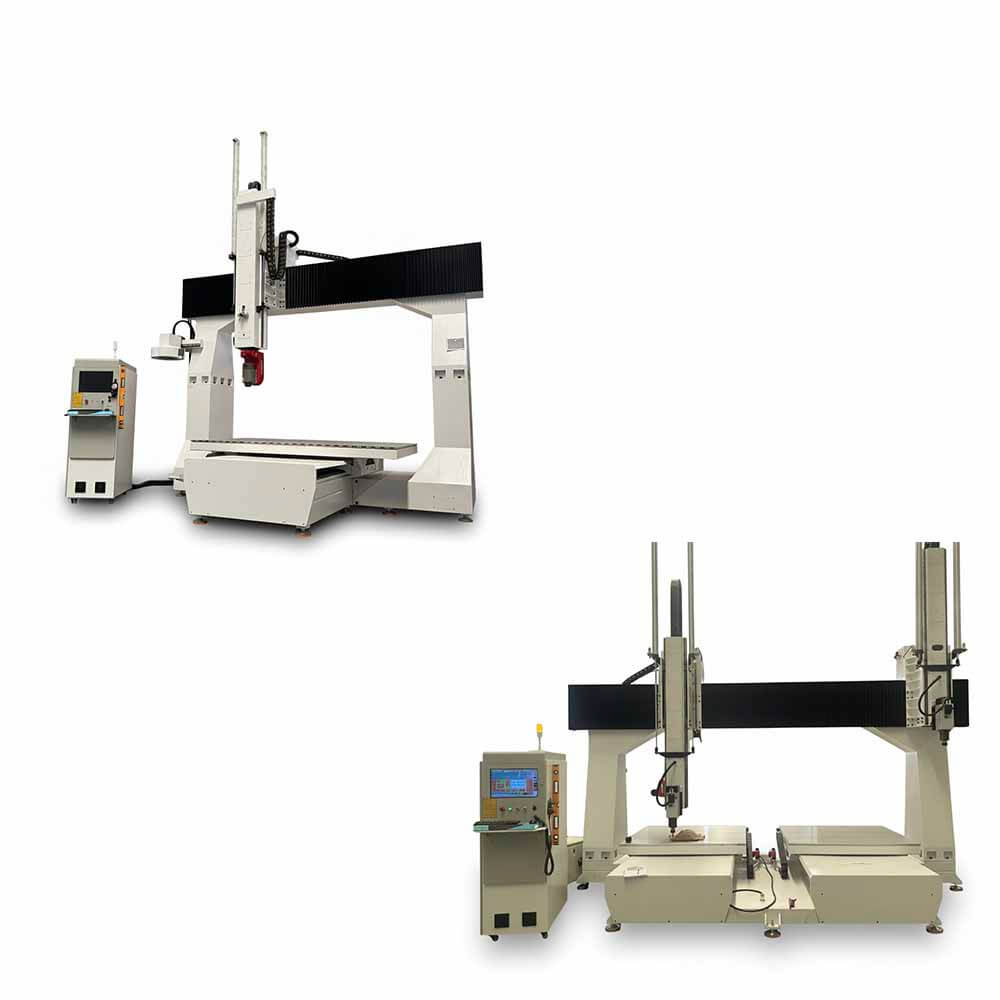
Why These Two Machines Are Often Confused
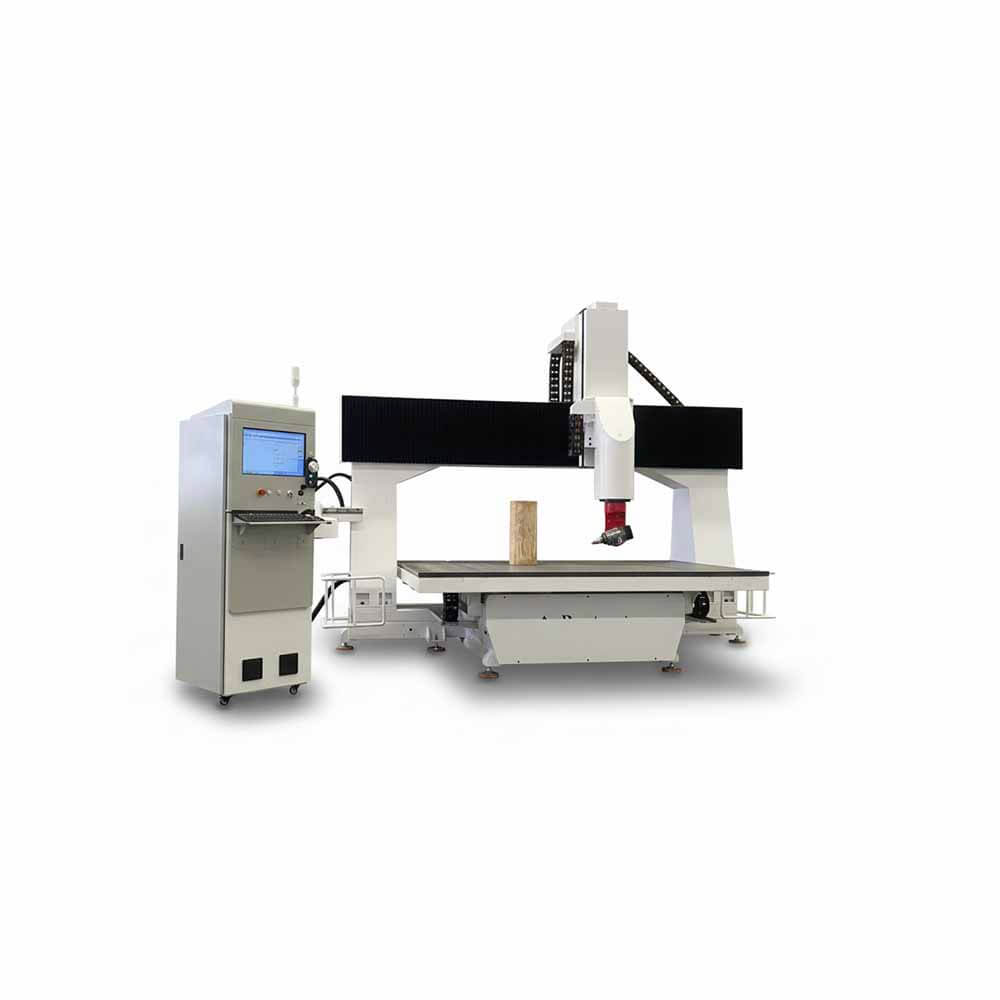
Why “Accuracy” Is the Most Misunderstood Part of 5 Axis CNC Routers
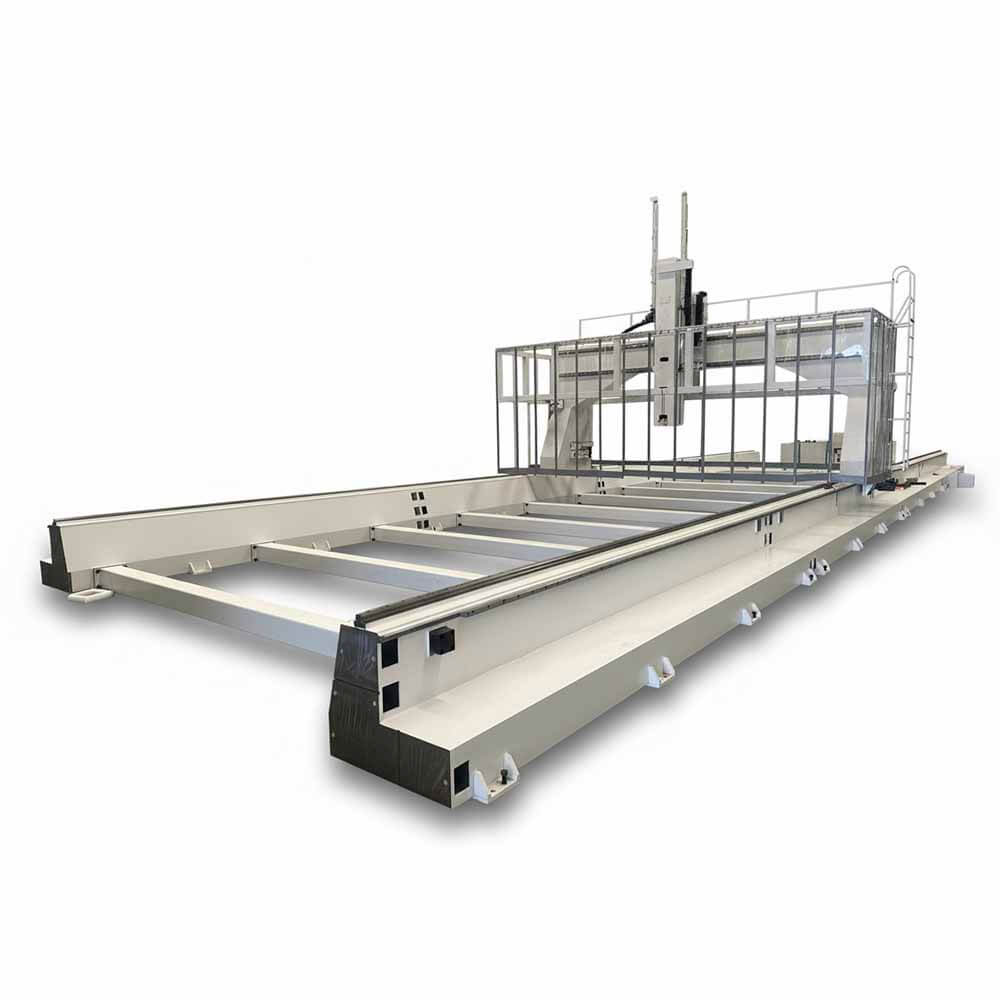
This article is written for engineers, production managers, and workshop owners who need to make a rational equipment decision—not a marketing-driven one.

After understanding what a true 5 axis CNC router is and acknowledging its disadvantages, the remaining question for most manufacturers is straightforward but difficult:
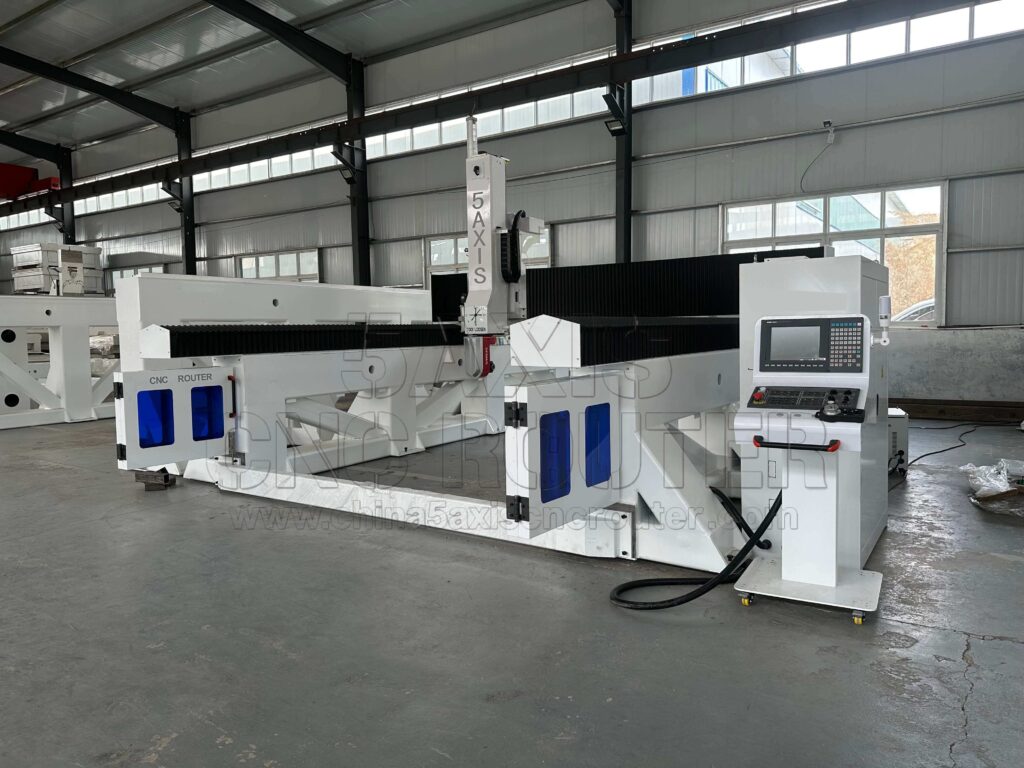
5 axis CNC routers are often presented as the ultimate solution for complex machining, but in real manufacturing environments they come with non‑trivial disadvantages. These limitations are rarely discussed openly, yet they play a decisive role in whether a 5 axis investment succeeds or fails.
China 5 Axis CNC Router is a professional manufacturer and supplier of 5 axis CNC routers and 5 axis machining centers. We focus on delivering high-precision, stable, and efficient CNC solutions for woodworking, metalworking, aerospace, automotive, molds, and composite materials industries.
 EN
EN  AR
AR  EO
EO  IT
IT  DE
DE  KO
KO  JA
JA  RU
RU  AZ
AZ  BG
BG  CS
CS  DA
DA  EL
EL  ES
ES  FR
FR  ID
ID  LV
LV  NL
NL  ML
ML  PT
PT  TT
TT  SL
SL  TH
TH  UZ
UZ  UK
UK  SV
SV  TR
TR