5 Axis CNC Router CAM Software and Post-Processing: What Actually Determines Success
Why Many 5 Axis Projects Fail Before Cutting Starts

Why Many 5 Axis Projects Fail Before Cutting Starts
Why Application Clarity Matters More Than Machine Specs
Why “Accuracy” Is the Most Misunderstood Part of 5 Axis CNC Routers
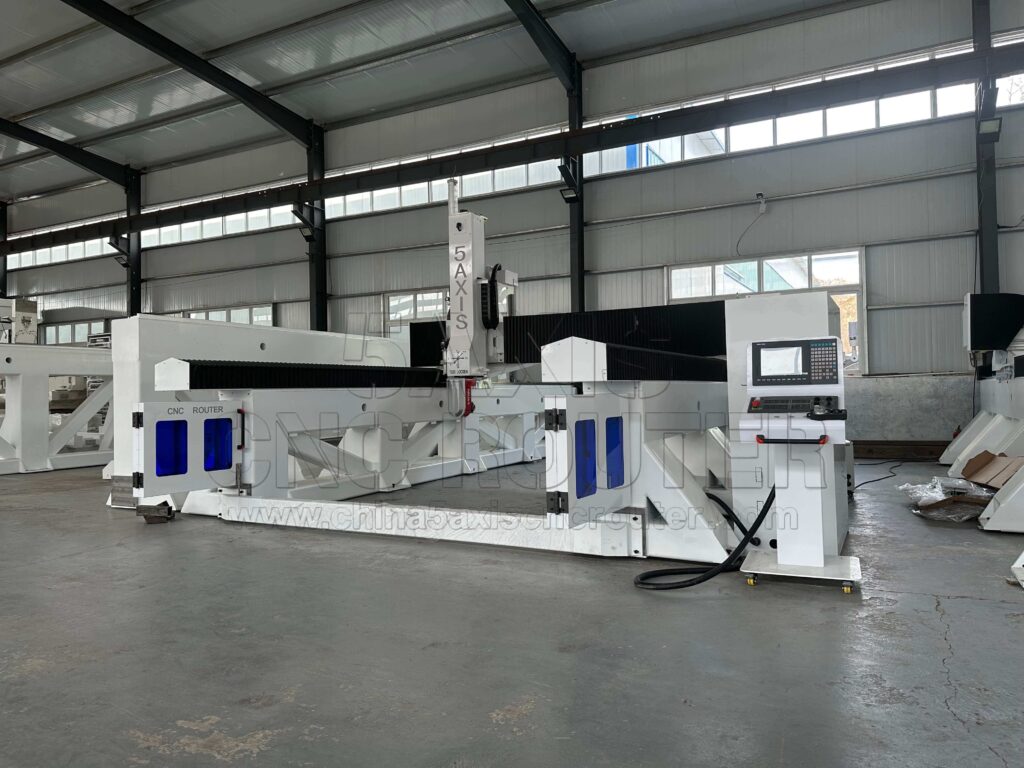
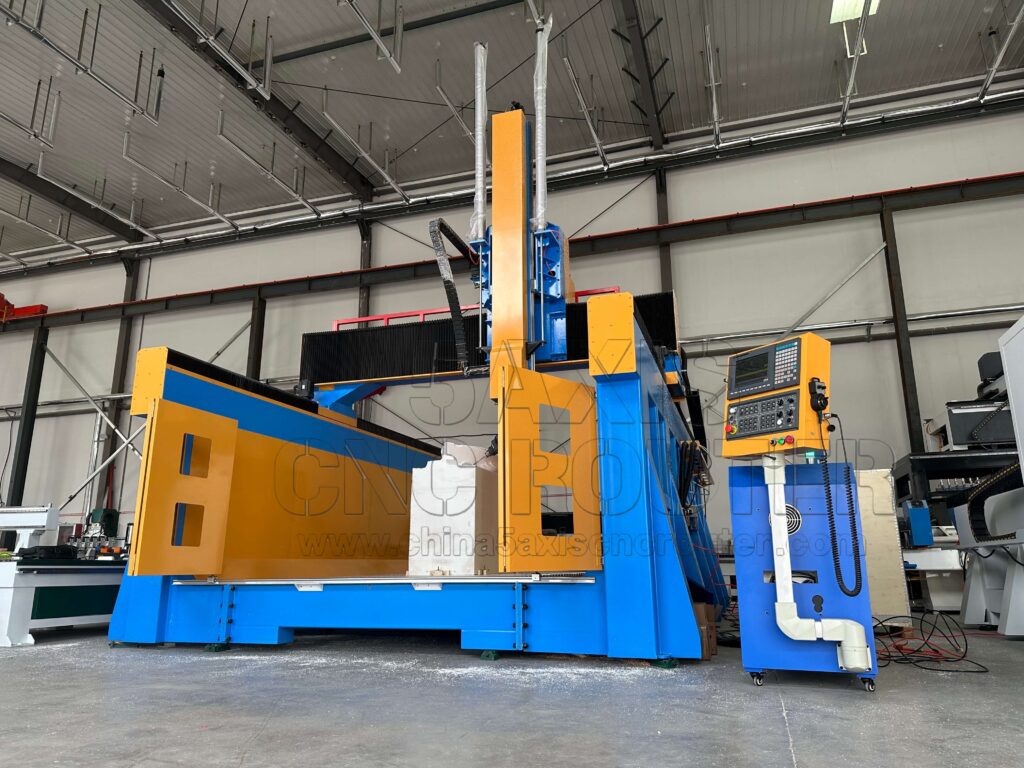
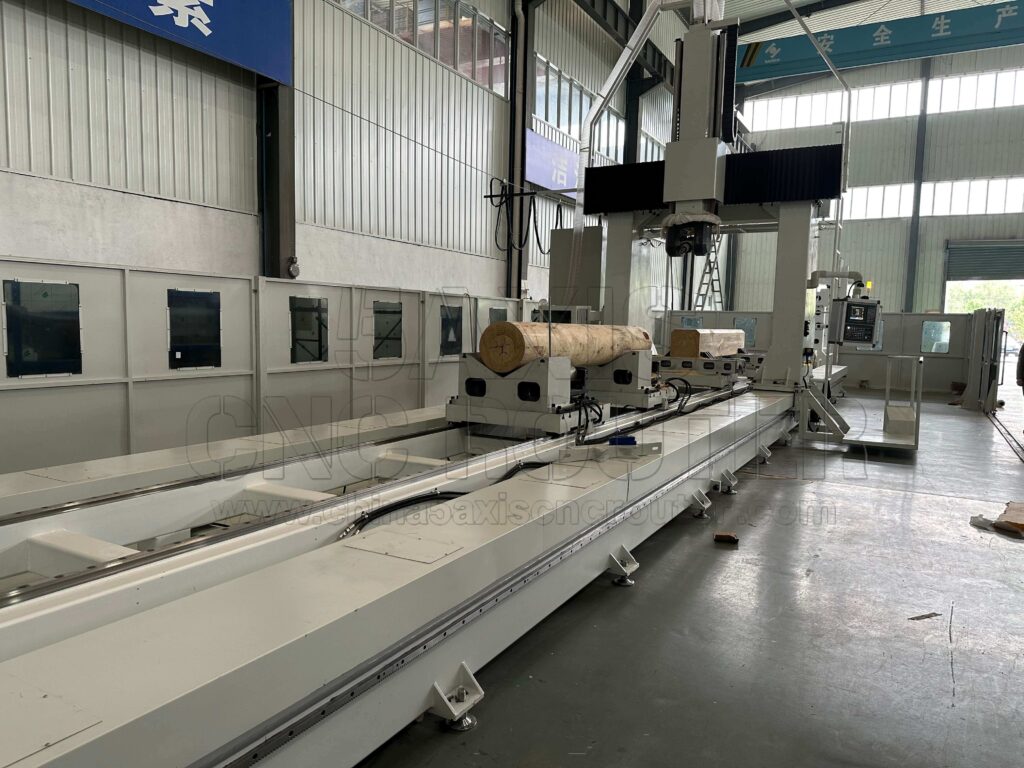
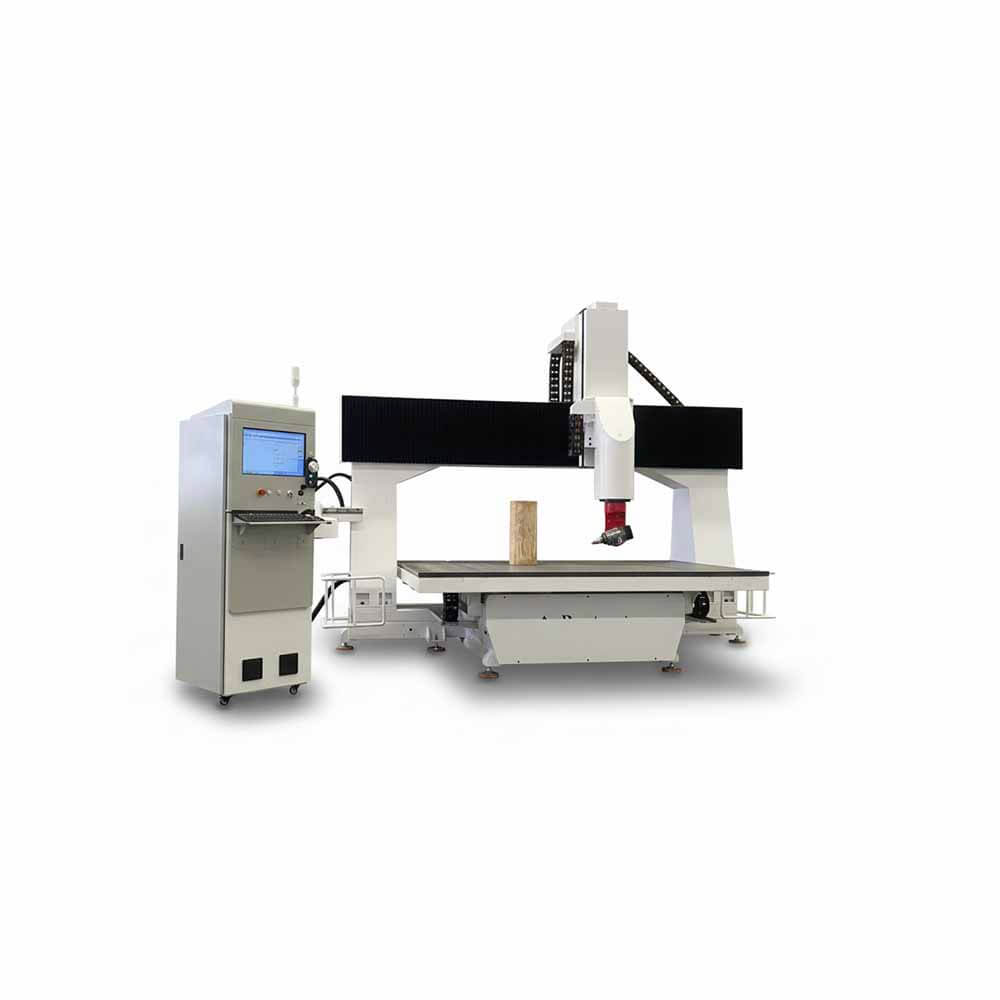
The term “5 axis CNC router” is widely used, but not always accurately. In many cases, machines marketed as 5 axis systems are actually 3+2 axis configurations, which behave very differently in real production.
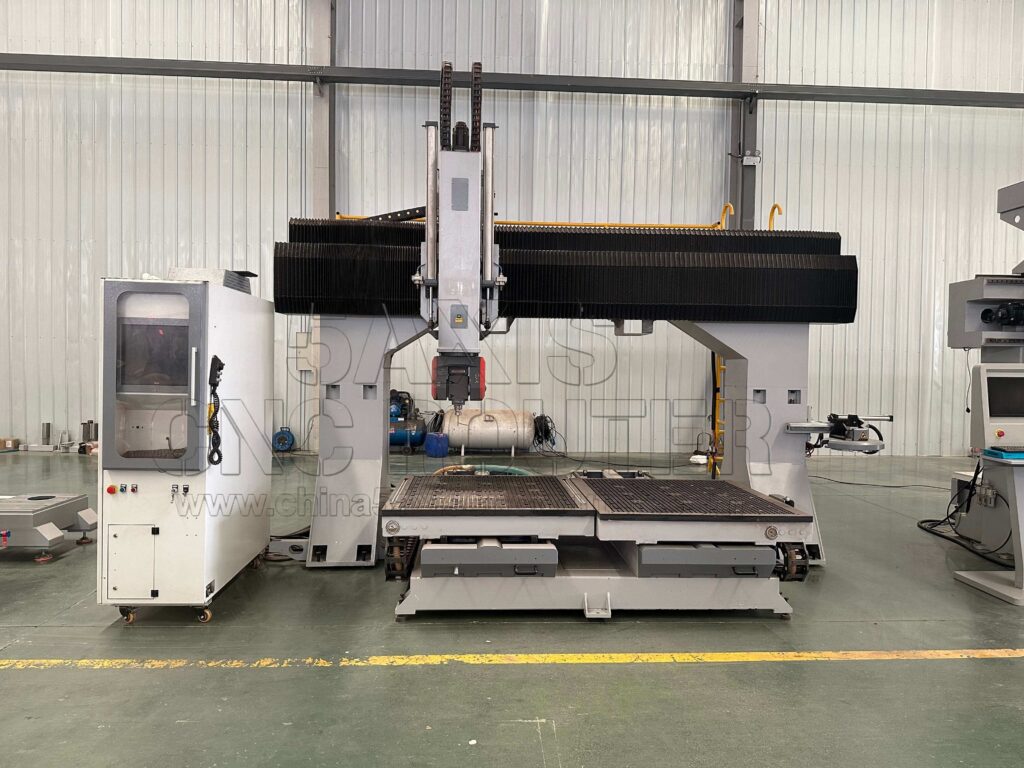
When manufacturers begin comparing 3 axis, 4 axis, and 5 axis CNC routers, the discussion often becomes simplified into a question of “how many axes are better.” In reality, axis count alone does not determine productivity, accuracy, or suitability.
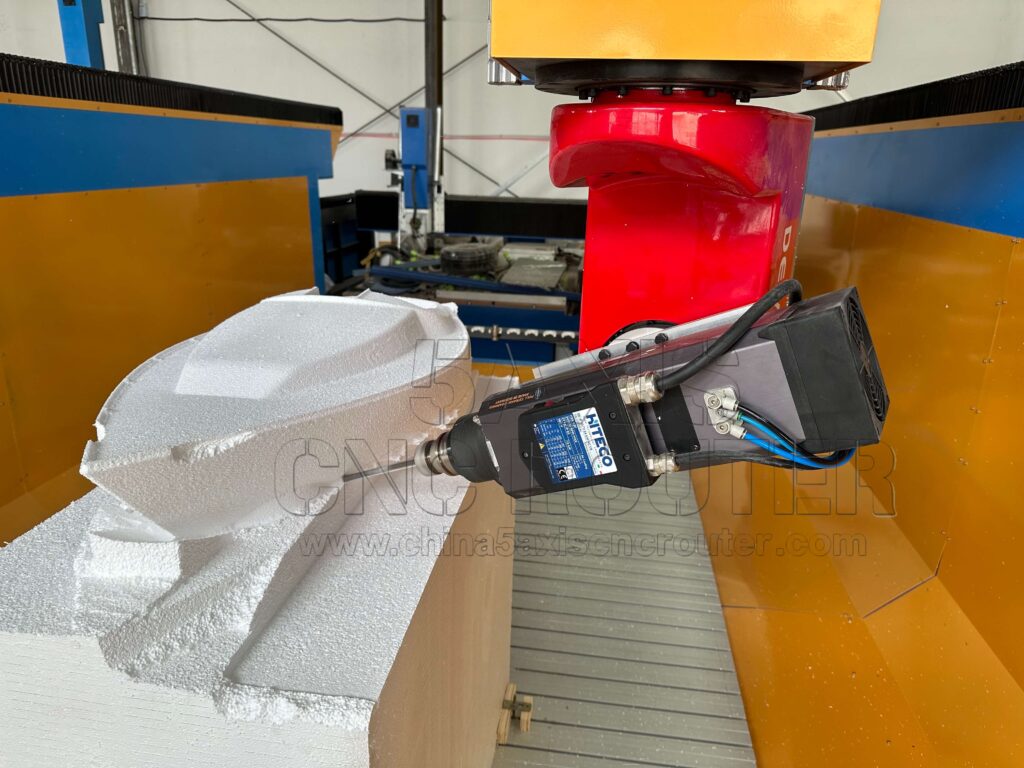
A 5 axis CNC router is often described as a “more advanced” CNC machine, but this description is vague and frequently misleading.
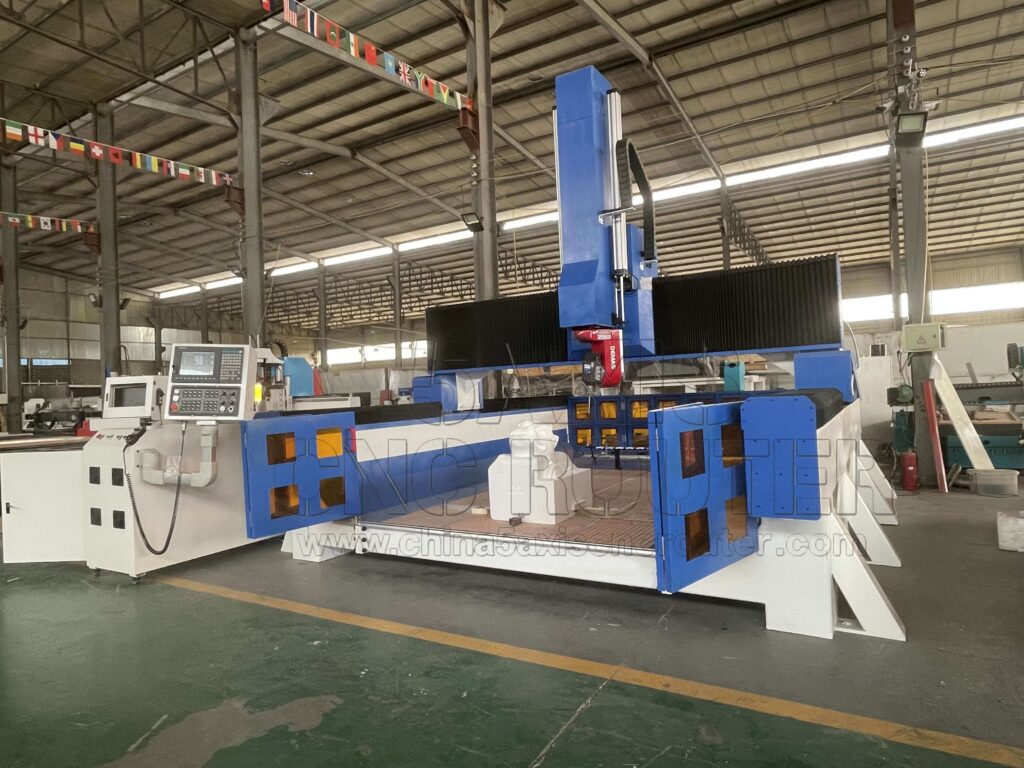
When evaluating CNC router options for complex components, engineers and manufacturers often encounter two terms: 3+2 axis and true 5 axis. While both involve five axes of movement, their operational capabilities, machining strategies, and applications differ significantly.
In aerospace and automotive industries, precision is non-negotiable. Complex parts with curved surfaces, undercuts, and multi-plane features demand tight tolerances and repeatable accuracy.
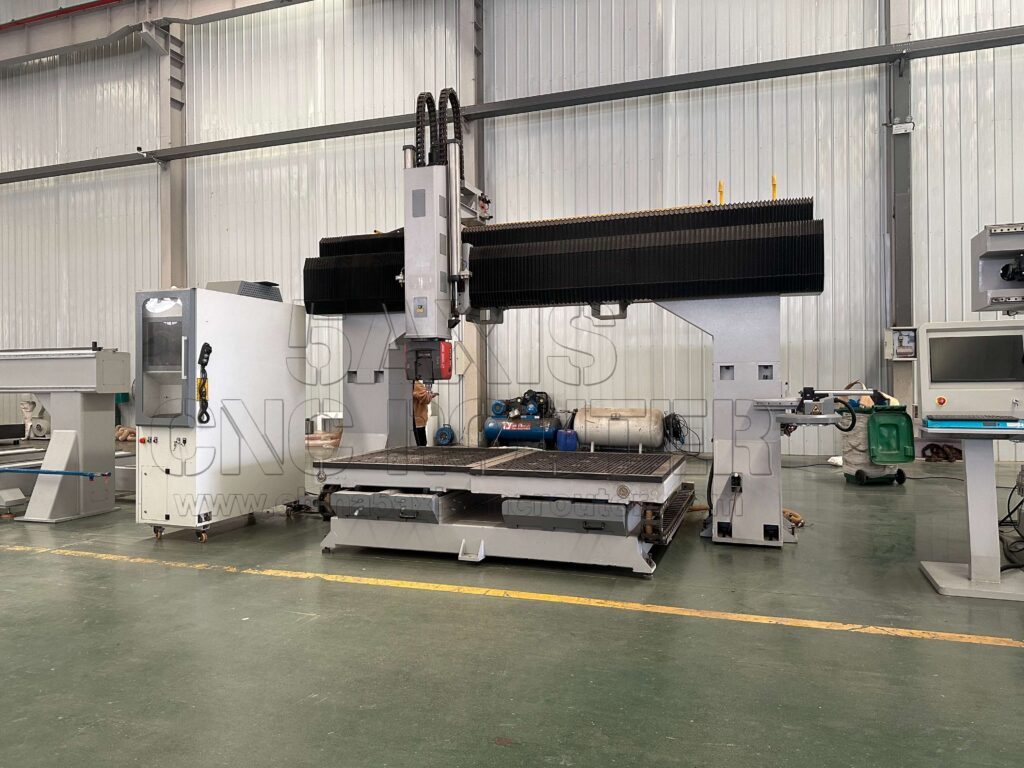
Industrial production efficiency depends on minimizing setup time, maximizing machine uptime, and achieving consistent quality.
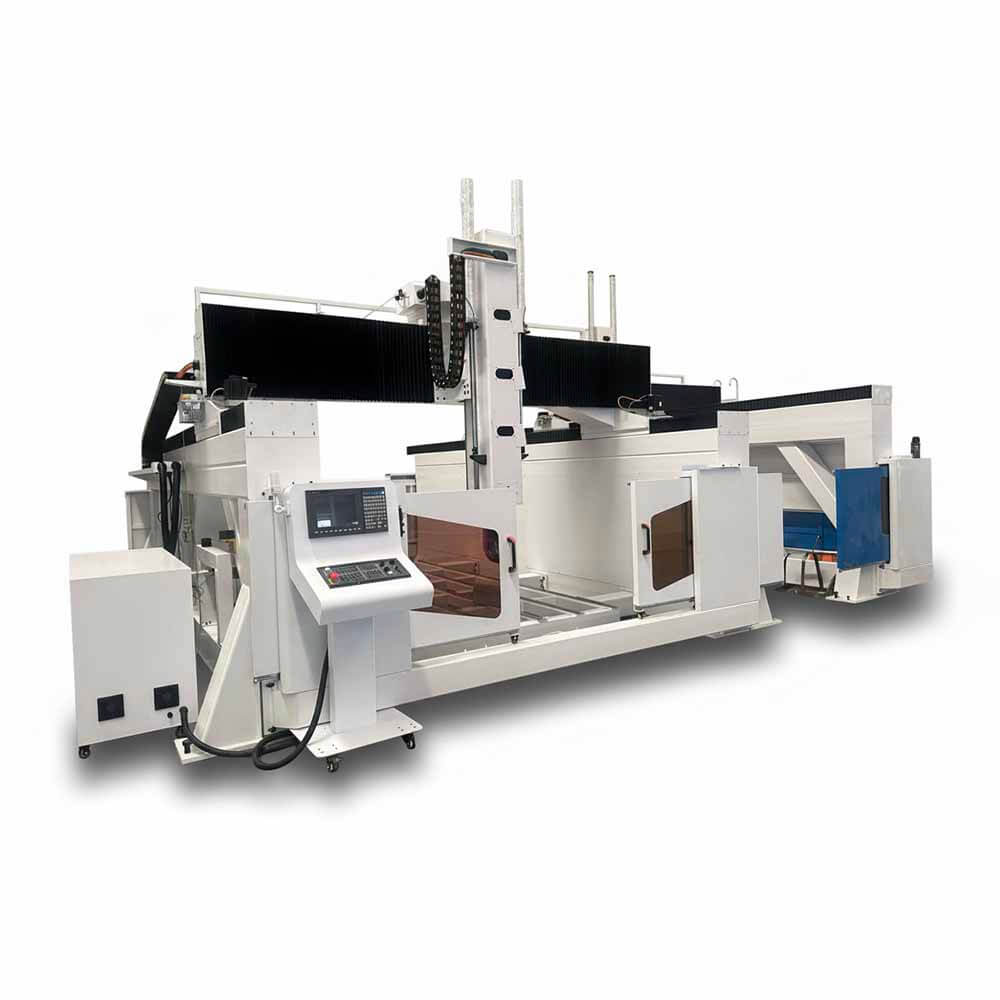
5 axis CNC routers are versatile machines, but their efficiency and output quality depend heavily on the material being machined.
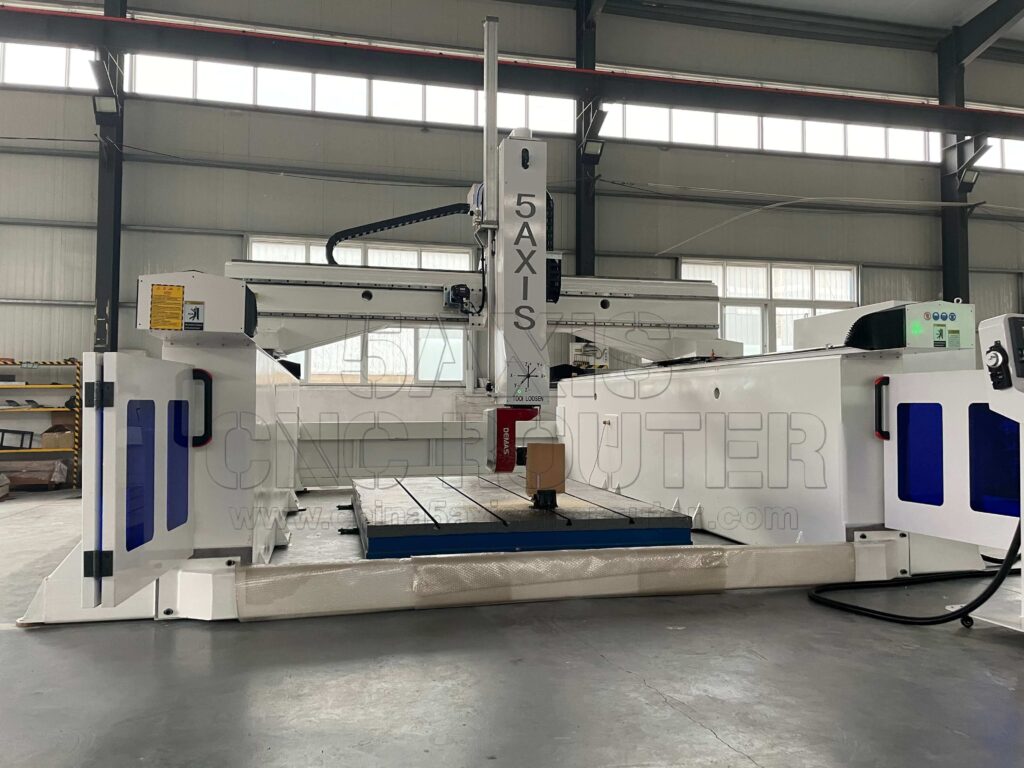
In modern furniture manufacturing, precision, repeatability, and surface quality are essential. Complex designs with curved components, sculpted panels, and intricate joinery often exceed the capabilities of standard 3 axis CNC routers.
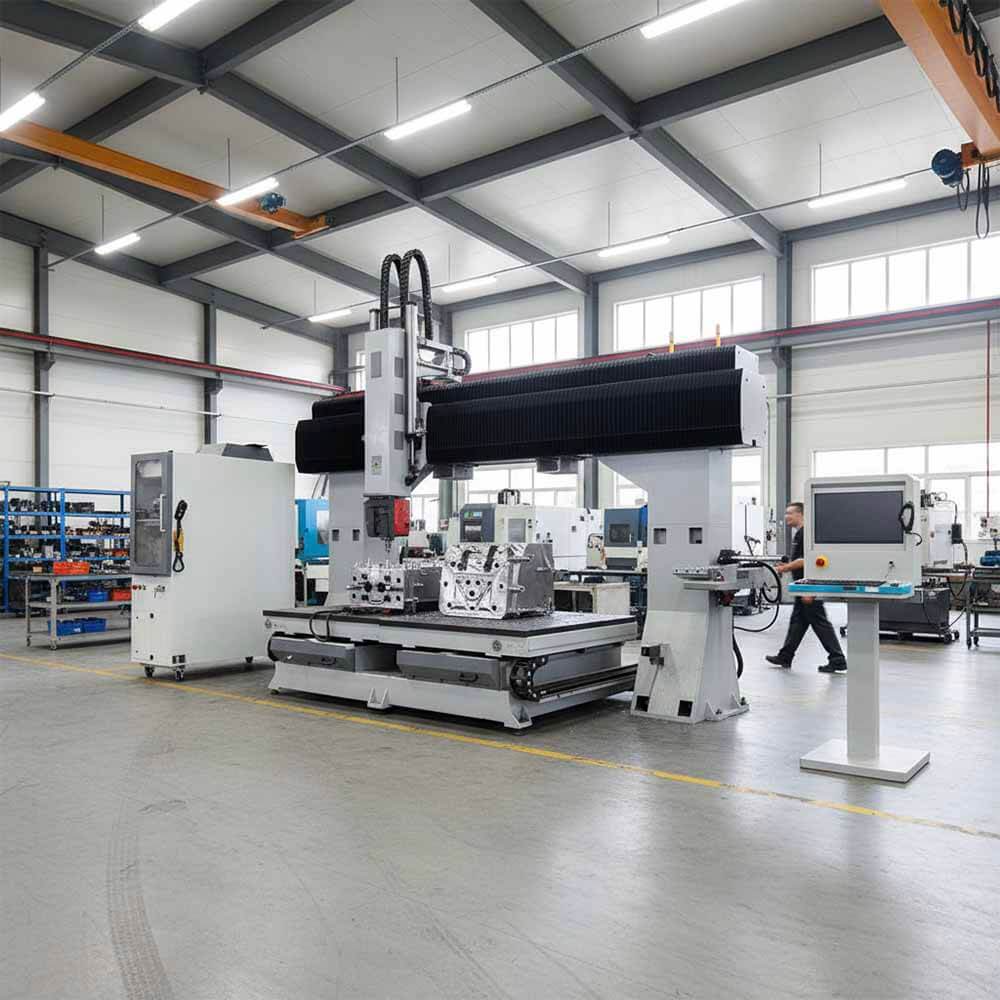
A 5 axis CNC router is often described as a “high-end” machining solution, but its real value depends on how and where it is used.
China 5 Axis CNC Router is a professional manufacturer and supplier of 5 axis CNC routers and 5 axis machining centers. We focus on delivering high-precision, stable, and efficient CNC solutions for woodworking, metalworking, aerospace, automotive, molds, and composite materials industries.
 EN
EN  AR
AR  EO
EO  IT
IT  DE
DE  KO
KO  JA
JA  RU
RU  AZ
AZ  BG
BG  CS
CS  DA
DA  EL
EL  ES
ES  FR
FR  ID
ID  LV
LV  NL
NL  ML
ML  PT
PT  TT
TT  SL
SL  TH
TH  UZ
UZ  UK
UK  SV
SV  TR
TR